
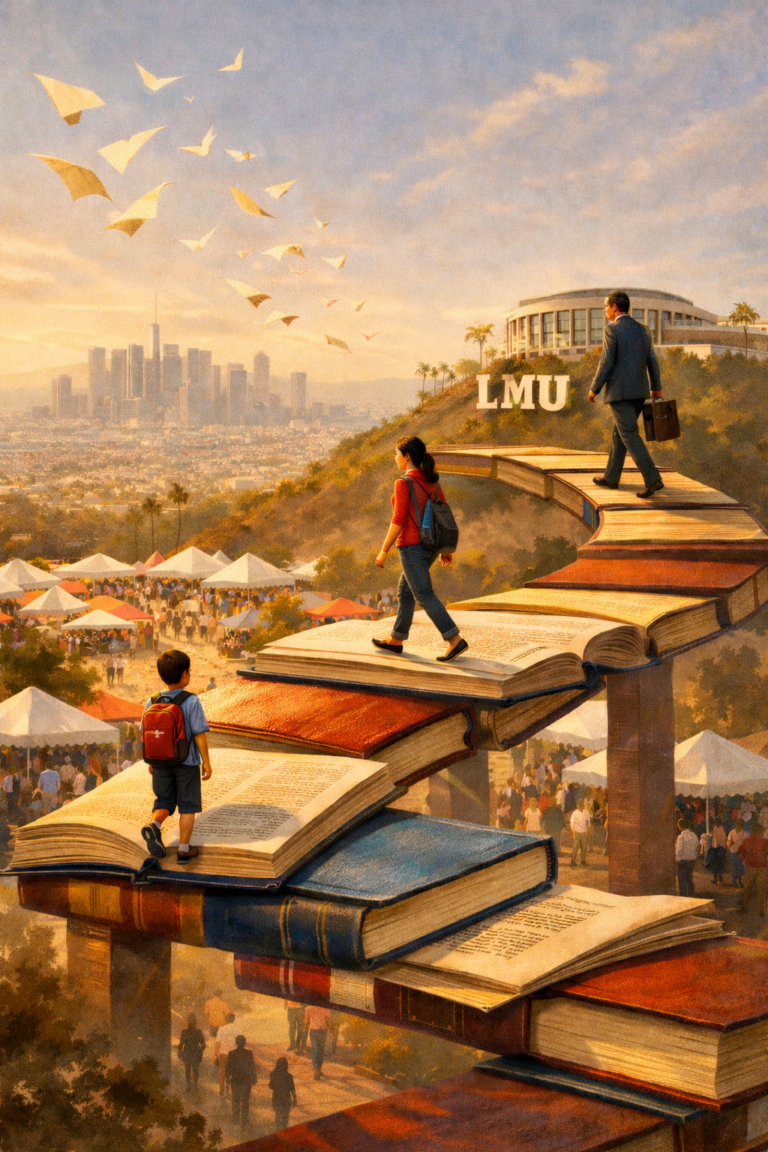
Where the Story Begins
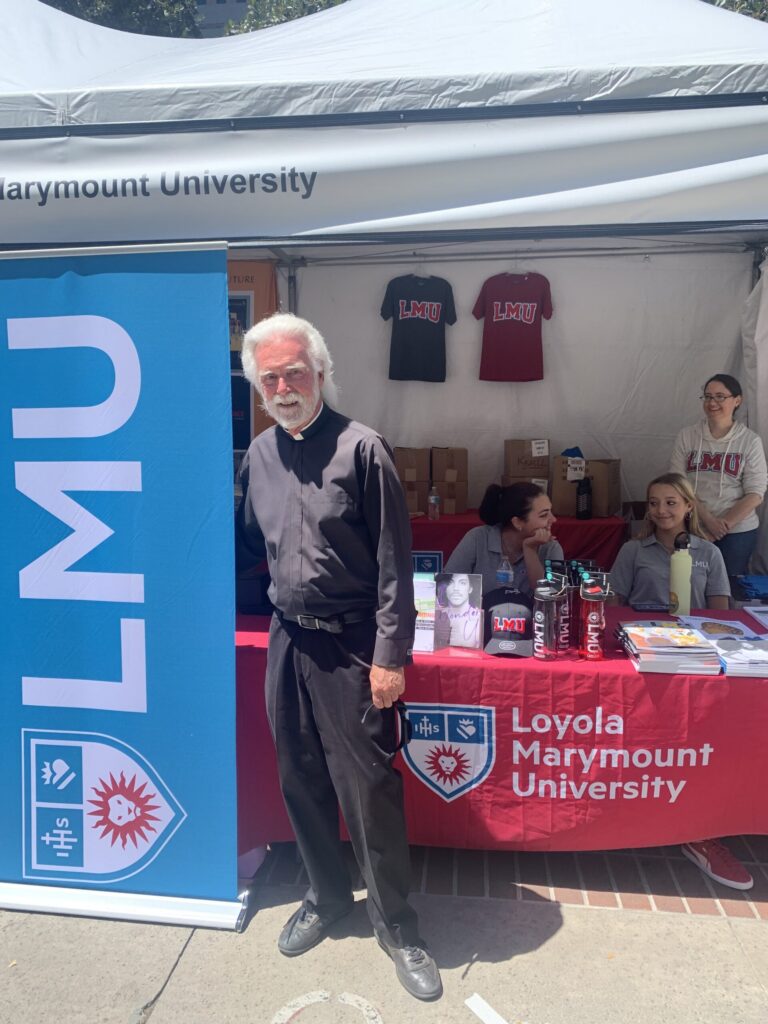
About a decade ago, I walked through the Los Angeles Times Festival of Books with my daughters, who were then in elementary school. To them, it was a wonderland: books stacked everywhere, authors around every turn, music in the air, and enough tote bags to make a person rethink every storage decision at home. To me, it was a reminder that institutions meet people long before they ever fill out an application. Sometimes they meet them in places like this — in the middle of a crowd, under a tent, somewhere between a shy question and a thoughtful answer.
The Festival of Books returns for its 31st year today. What began in 1996 has become one of Los Angeles’ great spring rituals — the largest literary celebration of its kind in the country, with 150,000 attendees expected, 500-plus authors and celebrities, and enough programming to make you lose track of time in the best way. And LMU has kept a steady presence there for well over a decade.
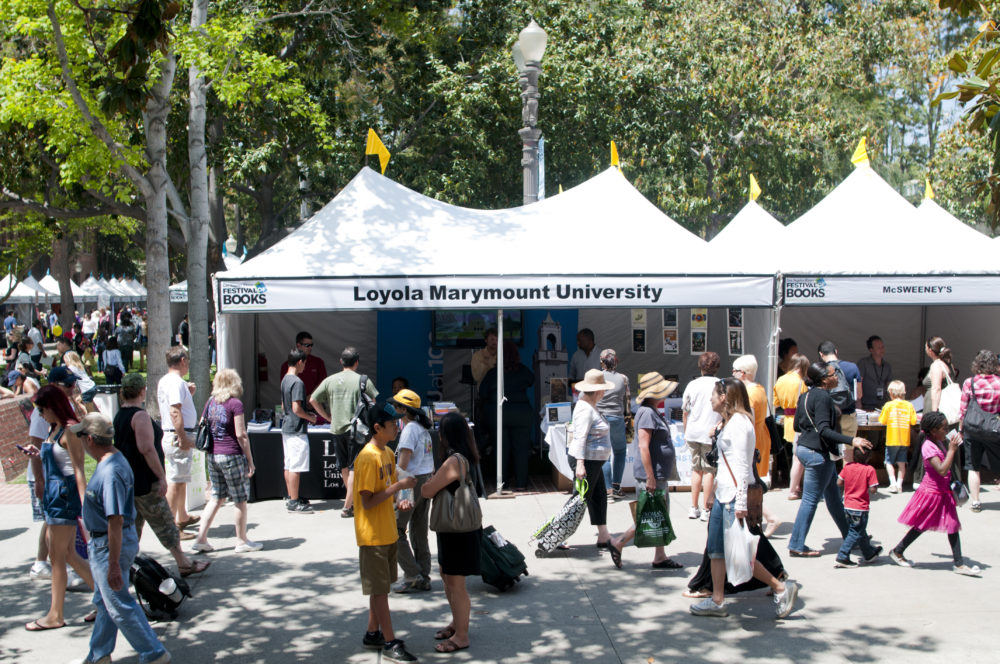
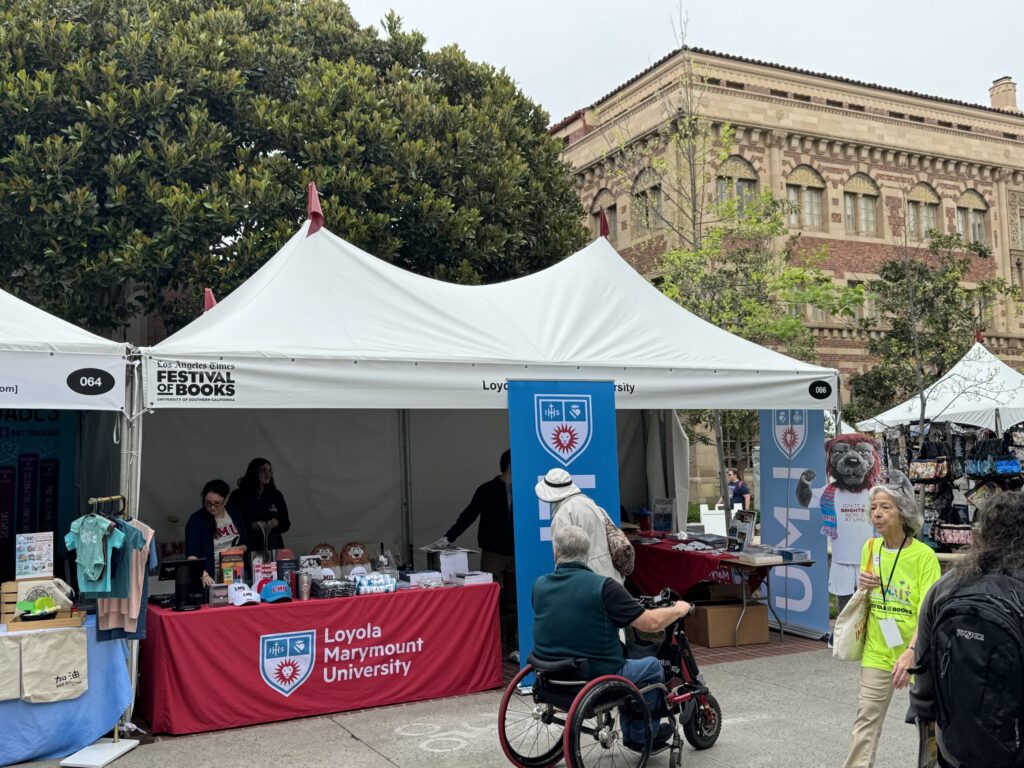
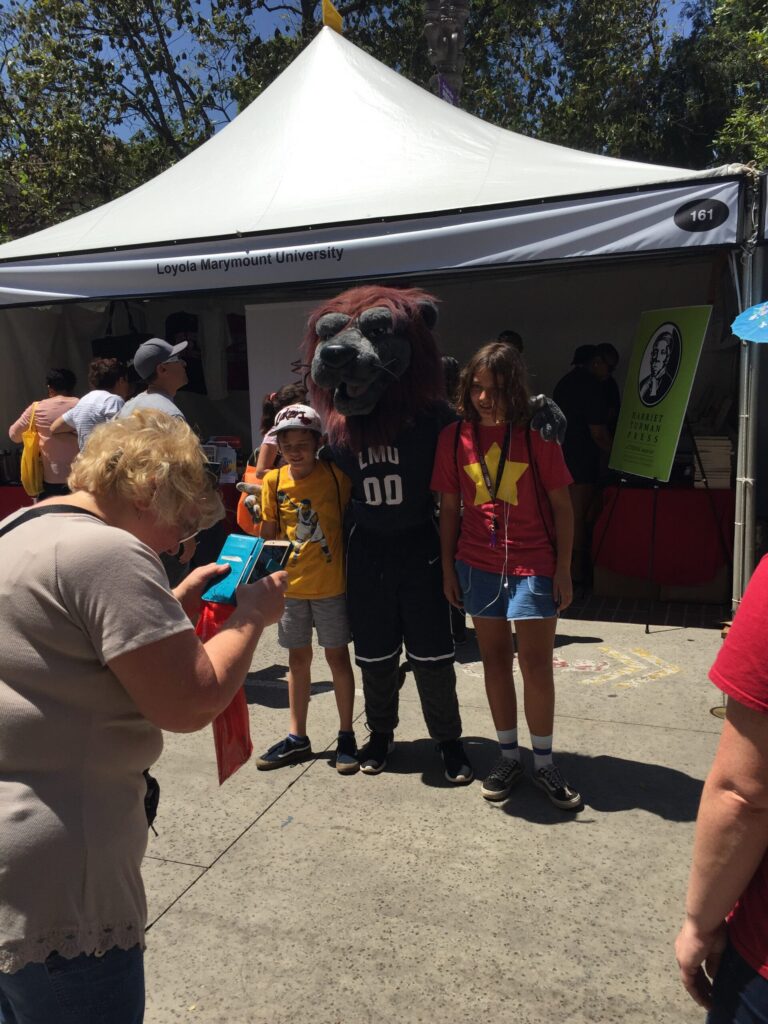
(so glad Iggy has glown-up since then!)
Story Is Infrastructure
As COO, I spend plenty of time thinking about budgets, buildings, parking, and the thousand details that keep a university moving. As a COO who also wears the CMO hat, I’ve come to realize our story is infrastructure, too. It shapes who pays attention, who asks a second question, who imagines a future here, and who eventually comes home to LMU.
Every university tells a story, whether it means to or not. If we do not tell ours with care, the world will happily tell one for us (usually with less nuance—and worse grammar).
That is why I have come to think of storytelling not as decoration, and certainly not as some marketing accessory bolted onto the side of “real work.” At a university that knows what it’s doing, storytelling is part of the real work. It is how the mission travels. The point is not self-congratulation; it is understanding. It is how people come to know who we are, what we value, and whether they can see themselves here.
And that is the test, really. A brand is not what we say about ourselves in a meeting or print on a banner (and certainly not a tagline or logo alone). It is what people say about us when we are not in the room. When the story is true, people recognize themselves in it. They repeat it. They add to it. They carry it.
When the Story Becomes Real
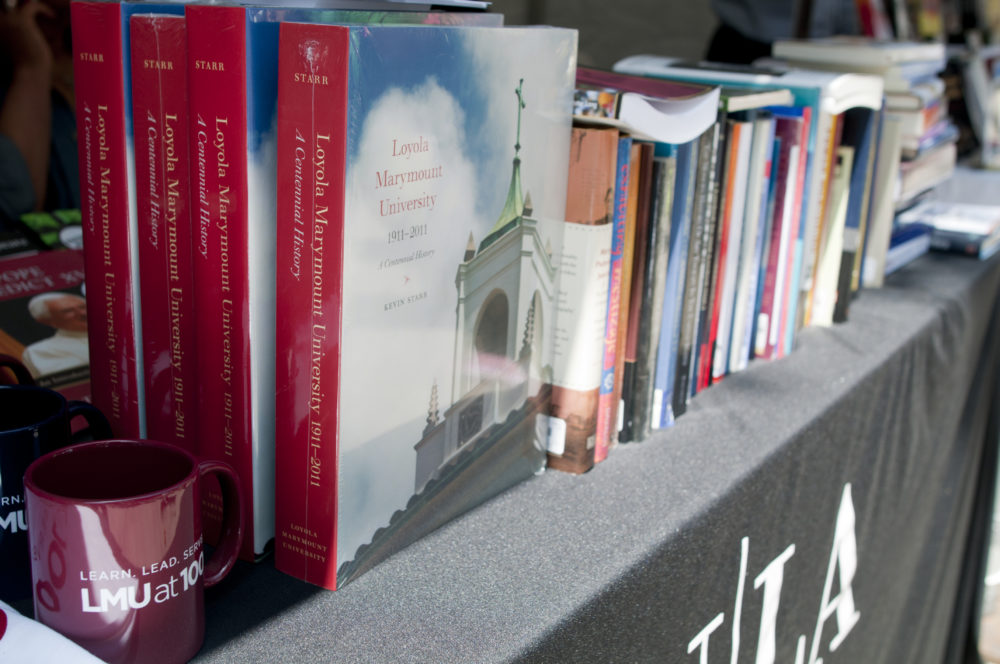
We have seen that happen in very concrete ways. Abigail Mora ’25 remembered coming to the Festival of Books at age 8 with her parents, feeling shy, and being encouraged to approach the LMU table. What stayed with her was simple: the representatives there “treated me with so much respect and kindness.” Years later, that memory still mattered. It helped shape the way she saw LMU — not as an abstraction, but as a place where she might belong. That is storytelling at its best. Not slick. Not loud. Just human, and memorable in exactly the right way.
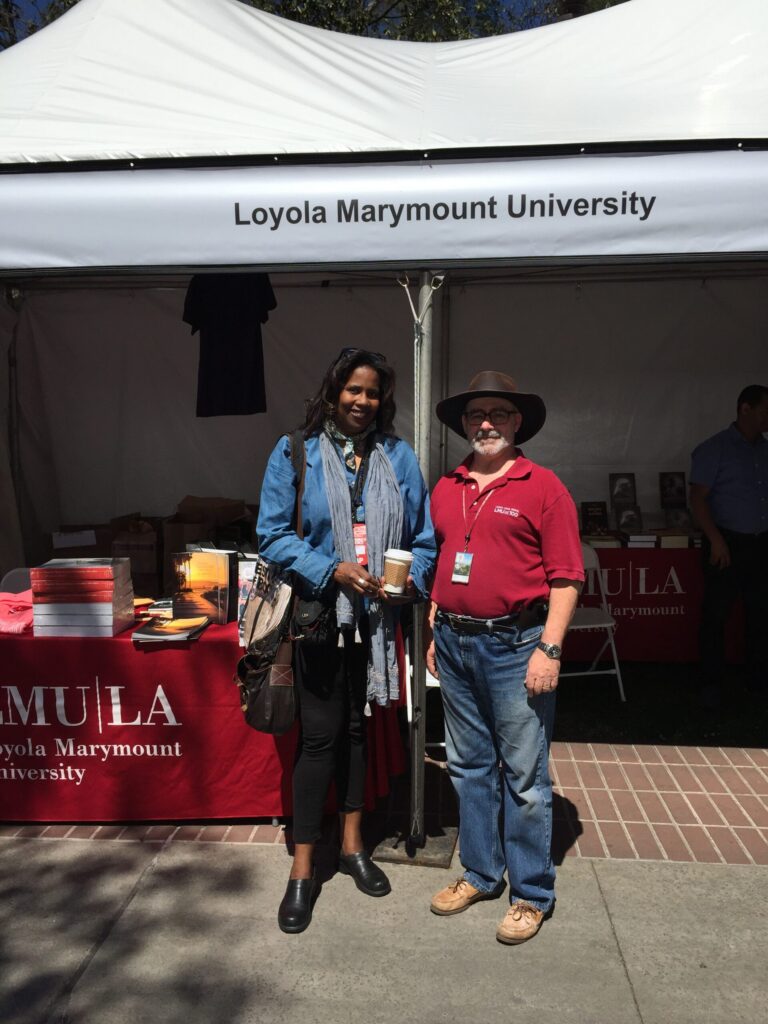
Winner Lynell George ’84 and LMU’s John Kissell
at the LA Times Festival of Books
A few years ago, Lynell stopped by LMU’s
Off Press Podcast to share her inspiration.
That brings me to someone who has helped LMU tell its story with unusual care for many years: John Kissell. John joined LMU in 2009 after 25 years on the news desks of the L.A. Times and The Daily Breeze. He has long helped steward our Festival of Books presence; he has taught journalism to generations of LMU students, and quietly become one of the people who helps this university remember who it is. He brings a reporter’s respect for accuracy, a teacher’s regard for students, and a deep personal care for the people behind the story. In an age that often rewards speed over substance, John has remained a model of integrity, precision, and grace. John, thank you.
Good storytelling, after all, is not spin. It is not institutional chest-thumping dressed up with better lighting. It is the disciplined and creative work of telling the truth clearly enough that people can feel it.
From the Bluff to the World
Sometimes that truth is carried in a conversation across a folding table. Sometimes it is carried in video. If I had one piece of LMU media to show someone trying to understand this university, I would start with Ignite a Brighter World. Not because it is polished — though it is — but because it reaches for the essence of the place. On LMU’s YouTube channel, it has drawn around 2.2 million views, which in higher education qualifies as somewhere between impressive and mildly suspicious. And if Ignite is our anthem, then Hope, Made Here is the origin story I was honored to present at President Thomas Poon’s inauguration — is our origin story (for history buffs this clip adds a few historical highlights I shared as a prologue). Different format, same aspiration: tell the truth about LMU in a way that is vivid, coherent, and alive enough for other people to carry forward.
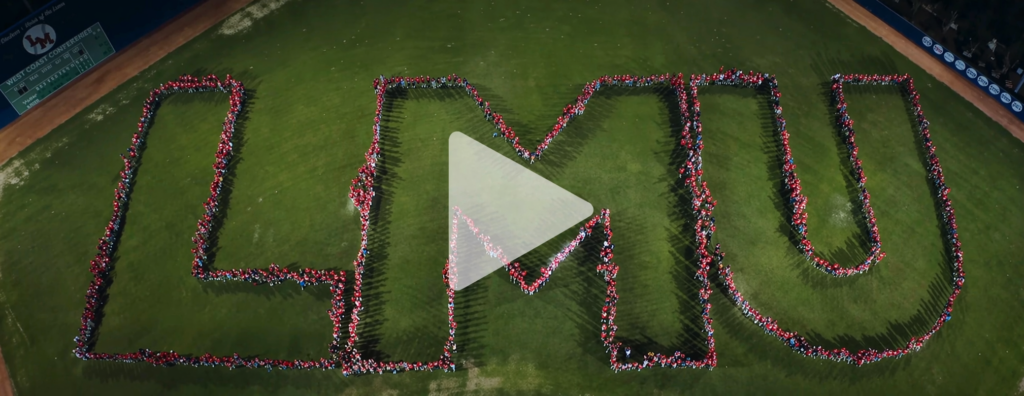
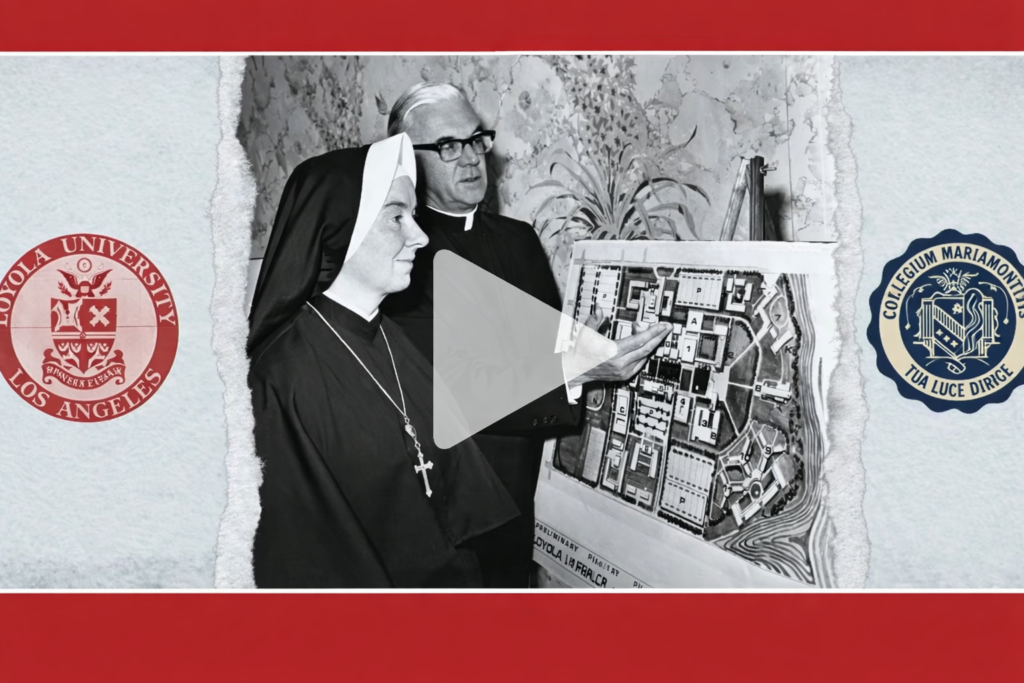
That is why I do not see LMU’s presence at the Festival of Books as merely a visibility exercise. It is an act of invitation. It is a chance, in the middle of one of Los Angeles’ most beloved cultural gatherings, to meet people where they are and offer something real.
I still remember my daughters taking it all in years ago, wide-eyed and curious, asking the kind of questions children ask when the world still feels wonderfully oversized. A good festival invites that kind of curiosity. A good university should do the same.
Our job is to make sure that when people encounter LMU — at a festival booth, in a classroom, in a video, on a campus tour, or in a conversation — they meet something true. Not polished to death. Not left to rumor. Just clear, authentic, and alive in the ways that matter.
Because the best story a university can tell is the one other people choose to carry forward.
—John
P.S. What I appreciate most about LMU’s Make It Matter campaign is that it celebrates our pride points—but always returns to the real work of our students, faculty, and alumni. That’s where authenticity lives.
Discover more from LMU COO Momentum Blog
Subscribe to get the latest posts sent to your email.