

At first glance, Holy Thursday and Farmworkers Day may not seem like obvious subjects for a COO blog post. But this week, they are connected.
About a week ago, at LMU’s Interfaith Prayer Celebration of Service and Work, I had the privilege of standing with President Poon and thanking our facilities, maintenance, and Aramark colleagues for the labor that sustains our community every day. As we observed Farmworkers Day and entered Holy Week, I found myself returning to the same lesson from two directions: leadership is at its best when it serves.
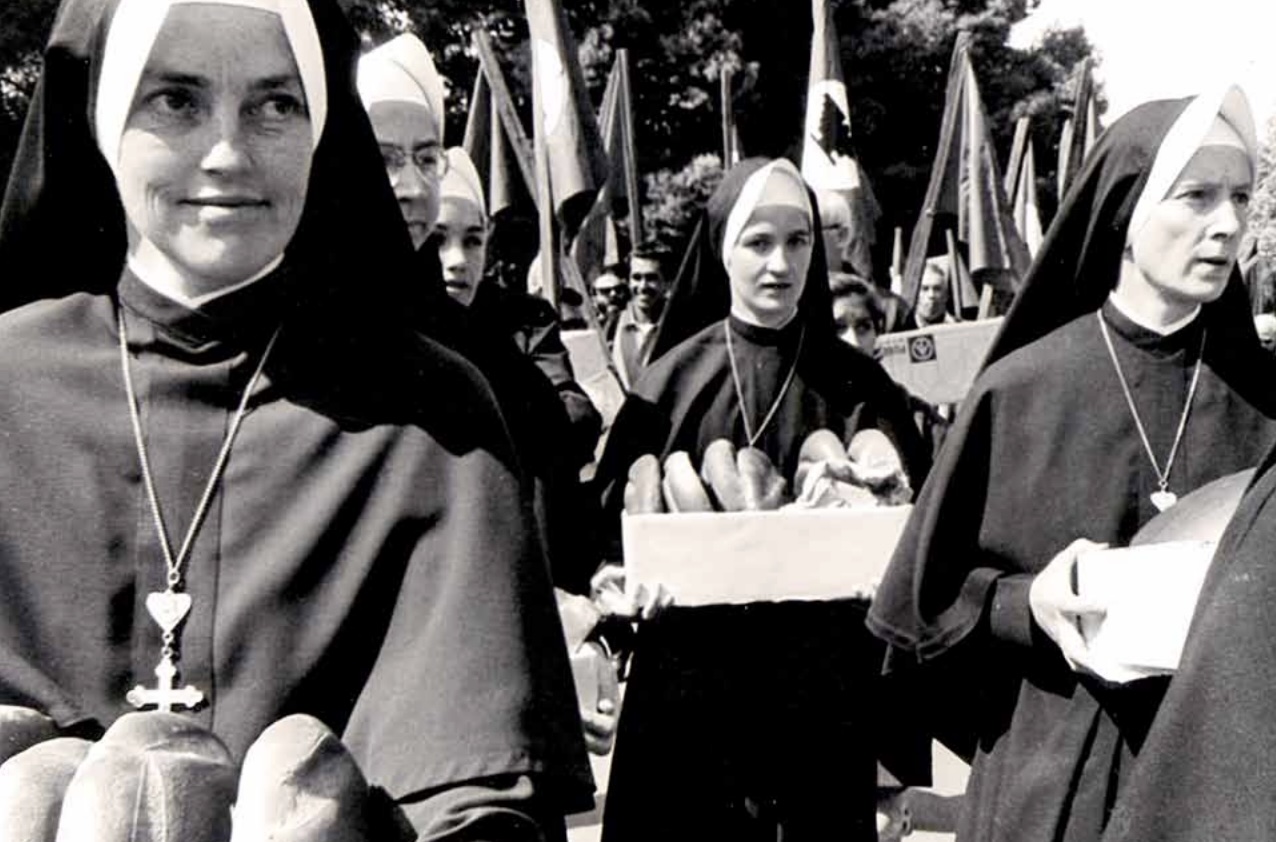
On Holy Thursday, Christians remember Jesus kneeling to wash the feet of his disciples. Pope Francis once put that gesture in beautifully plain language: “I am at your service.” For anyone in leadership, that is both a job description and an essential reminder.
But the deeper reason I wanted to write this is not only about Holy Week itself. It is also about the colleagues in LMU’s Division of Mission whose work helps students encounter seasons like this with discernment, freedom, and care.
John Sebastian, LMU’s Senior Vice President for Mission, leads a team that animates the university’s mission through liturgy, formation, spiritual growth, social justice, and interfaith partnership. One of its key areas, Campus Ministry, describes itself as a diverse, multi-faith team dedicated to the service of faith and the promotion of justice, framing its work in strikingly simple terms: helping students believe, belong, and become.
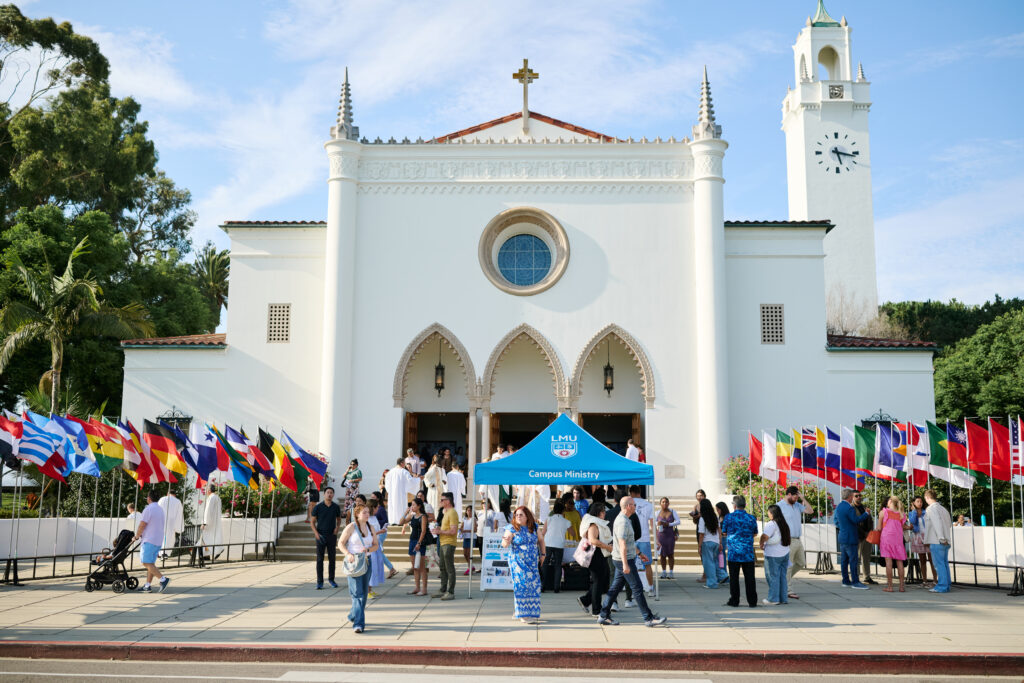
I have come to appreciate that not only as an administrator, but as an LMU parent. It is not the same for every student, nor should it be. But for those who choose to make this part of their journey, the opportunity can be profoundly transformative. It shapes how they listen, how they question, how they carry themselves in community, and how they understand their responsibilities to others.
This week makes that work especially visible.
While many students and faculty are away on Easter break, Sacred Heart Chapel moves into one of its fullest weeks of the year, from Palm Sunday through Easter. And in roughly that same part of campus, our Children’s Center recently held its Easter Egg Hunt.
I like that pairing: A Catholic university should know how to make room for reverence and delight in the same week.
What Holy Week Reveals to Me
Catholics use a word that does not get much use outside classrooms and liturgical settings: Triduum. It refers to the Great Three Days from Holy Thursday through Easter, which the Church understands as one continuous observance.
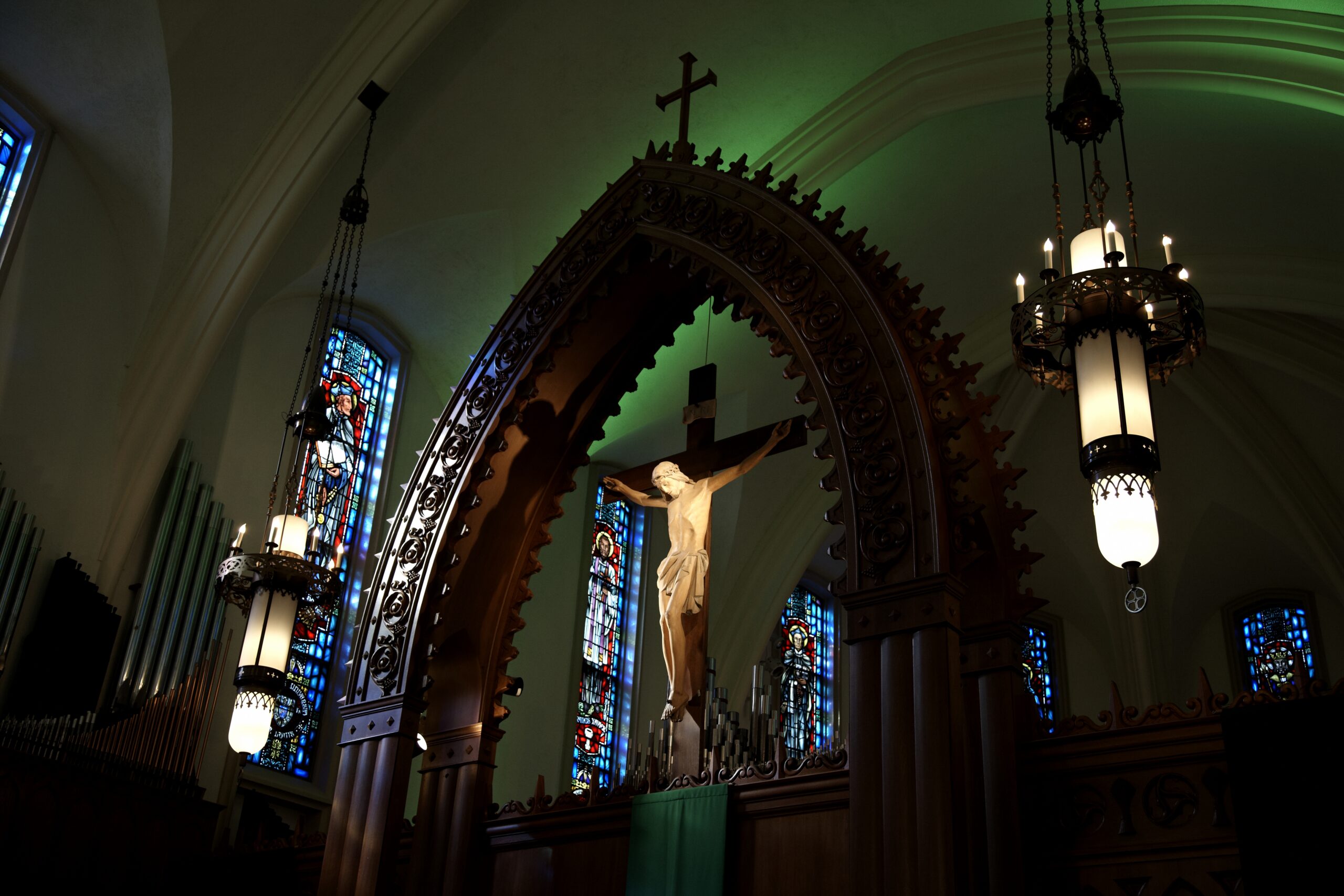
Holy Thursday remembers the Last Supper and the washing of feet.
Good Friday confronts us with sacrifice and suffering.
Holy Saturday teaches the discipline of waiting—without resolution, and without rushing past grief.
Then, at the Easter Vigil, light returns one candle at a time—quietly, steadily—until the darkness gives way, and hope, once again, prevails.
These are, of course, simplifications. But they point to something essential.
Holy Week does not offer easy answers. It asks something more demanding: a willingness to stay present to suffering, to remain faithful in uncertainty, and to believe—sometimes against the evidence in front of us—that hope and redemption are still possible.
It is about sacrifice. It is about fidelity. It is about accompaniment.
And it has something to say about how we live, lead, and show up for one another.
Across Traditions, With Care
This season also highlights something important about the work of mission at LMU.
It does not reduce traditions to a common denominator. It takes them seriously on their own terms, while creating the conditions for people to learn from one another with respect.
So as Catholics enter the Triduum, our Jewish community gathers around Passover tables. The seder retells the Exodus through story, ritual, questions, matzah, bitter herbs, four cups, and the Haggadah’s disciplined work of remembrance.
Yesterday, I was grateful to receive a note from Rabbi Joshua Hoffman, president and CEO of the Academy for Jewish Religion California (AJRCA), offering Passover greetings and a reflection on what it means to see ourselves—personally and collectively—as part of the story of liberation. It was a thoughtful reminder that these traditions are not only remembered, but lived.
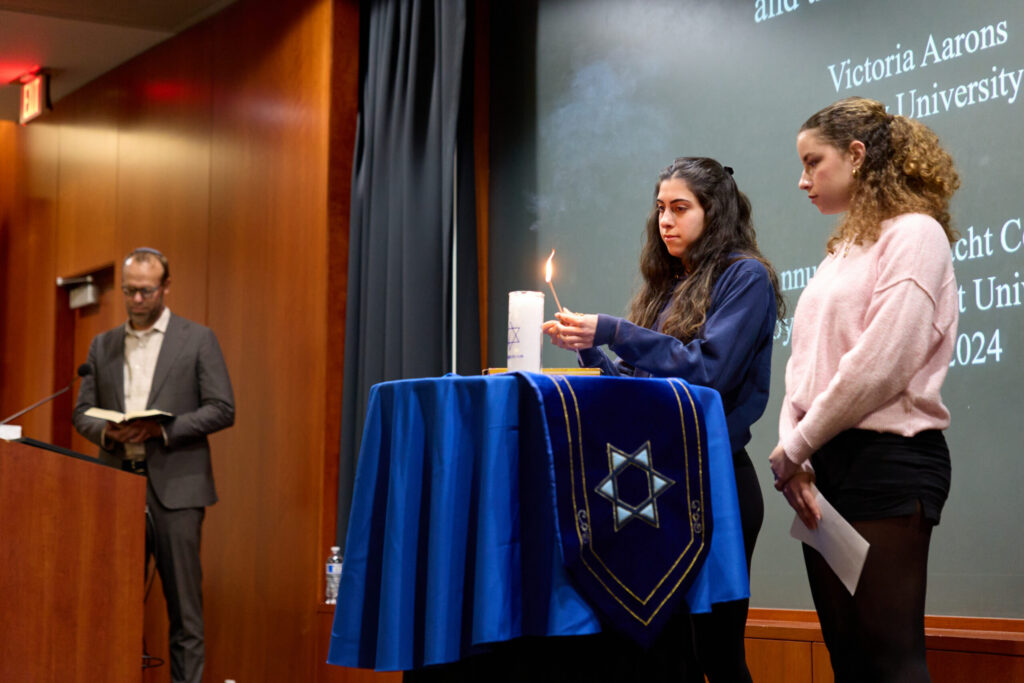

I continue to appreciate his leadership and partnership in this shared work.
AJRCA’s vibrant presence in University Hall remains one of those essential realities of LMU—an active partnership in inter-religious dialogue, learning, and community-building. Jewish Studies and Jewish Student Life help create a fuller ecosystem of academic inquiry, cultural understanding, and lived religious experience on our campus.
And just weeks removed from Ramadan and Eid, our Muslim community has been living through its own season of prayer, fasting, reflection, and celebration. Through iftars, interfaith gatherings, and shared meals—and through the presence of a dedicated Muslim prayer space—belonging here is something we practice, not just describe.
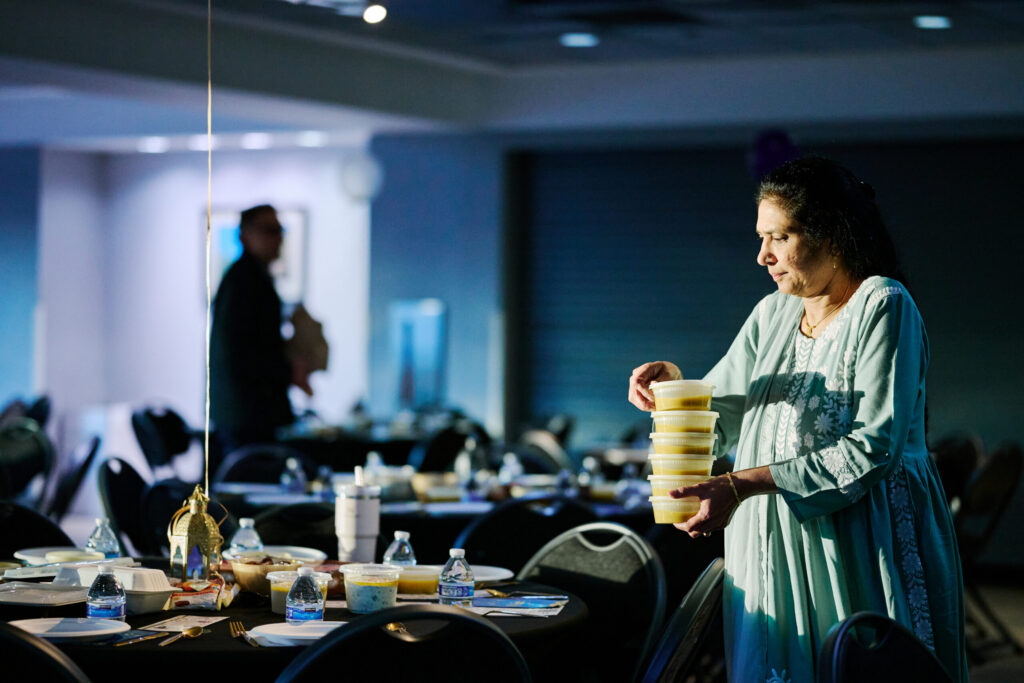
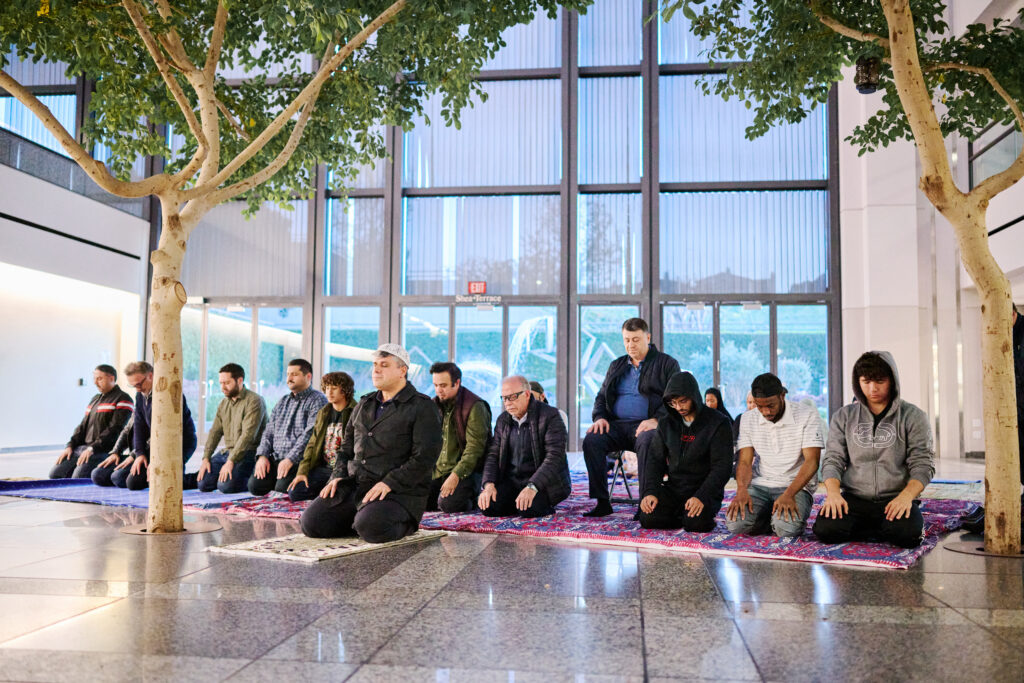

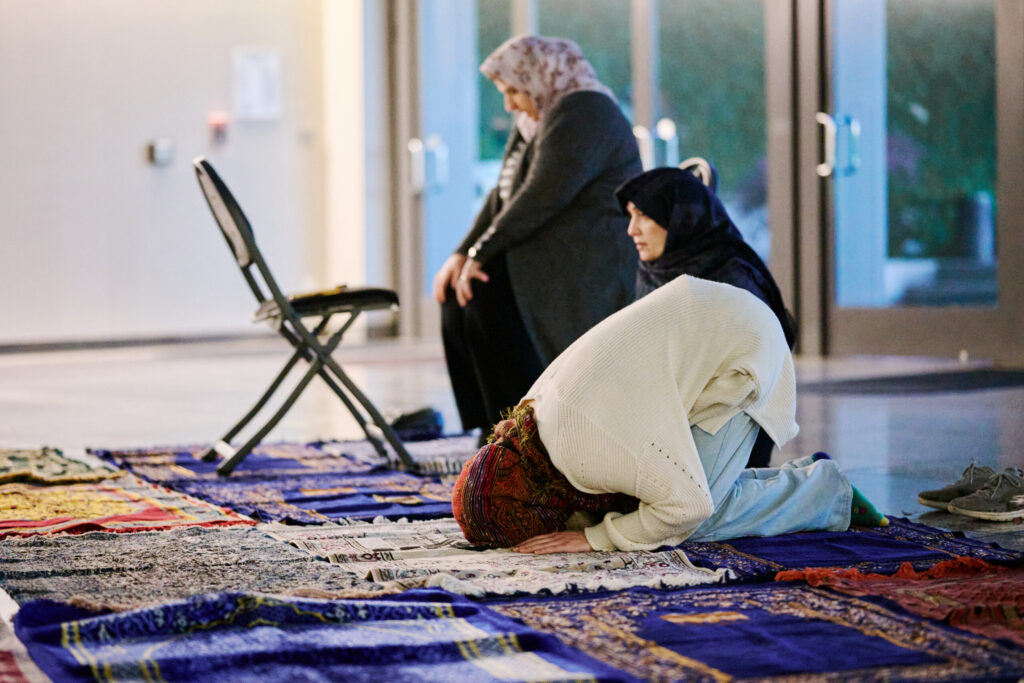
The inclusive and ecumenical character of this work is rooted in our mission and carried forward daily by colleagues who take that mission to heart. LMU’s Huffington Ecumenical Institute, for example, reflects this same commitment within the Christian tradition, advancing dialogue and understanding while contributing to the broader interfaith life of the university.
A University Worthy of the Questions
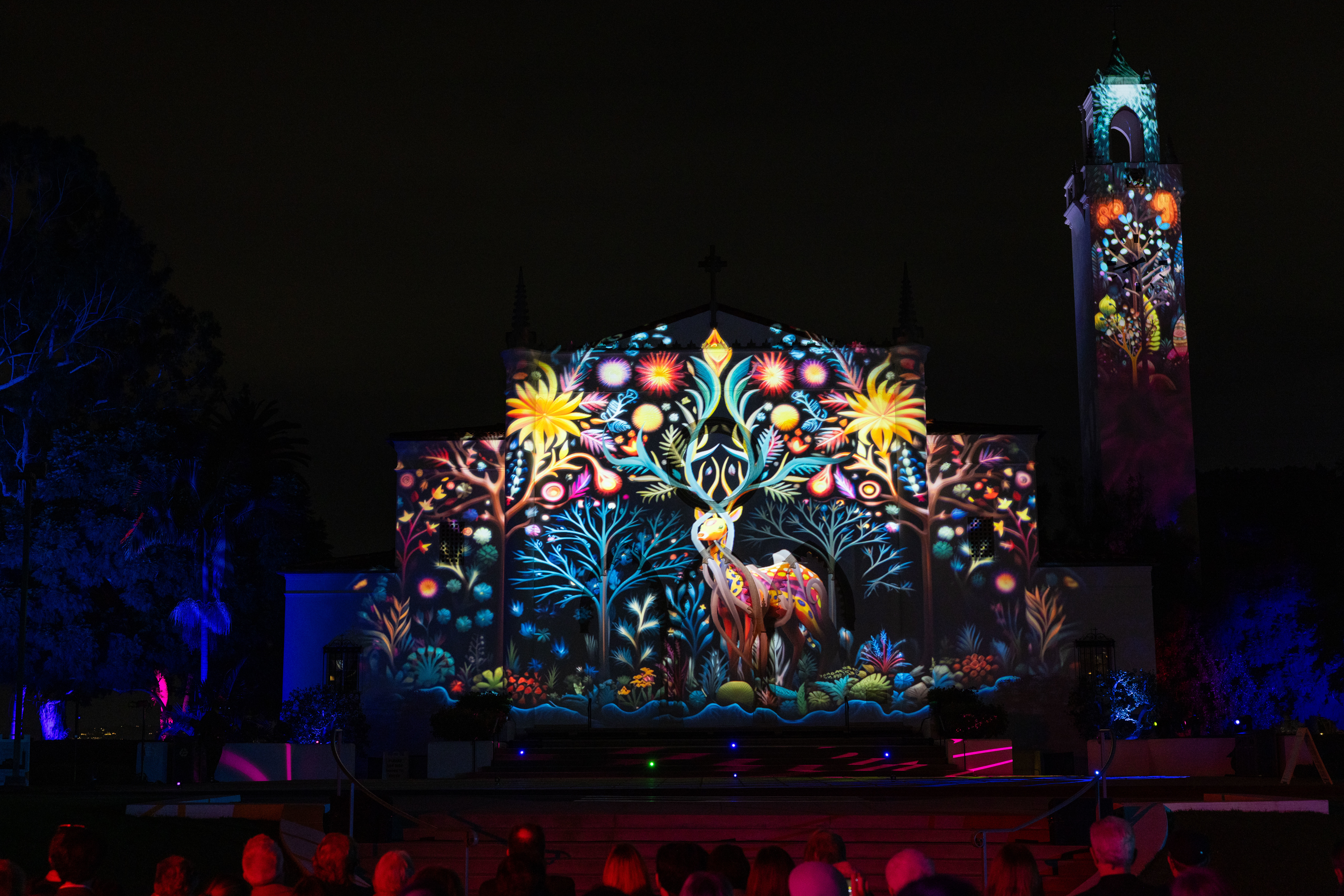
To my mind, a university ought to be worthy of the questions it invites people to ask.
At LMU, mission anchors us. It is formation. It is discernment. It is the education of the whole person. Our mission speaks of “free and honest inquiry,” ecumenical and inter-religious dialogue, and the formation of students not only intellectually, but morally, culturally, and spiritually.
That is a distinctive promise—and it requires people capable of carrying it with depth, intelligence, and care.
That is why I wanted this article, at its core, to say thank you.
Thank you to SVP John Sebastian, whose leadership brings intellectual rigor and humanity to this work in ways that make mission integration authentic and meaningful. Thank you to the colleagues across the Division of Mission who accompany students through worship, retreats, pastoral care, spiritual direction, justice work, interfaith dialogue, and the quieter conversations that often matter most. Thank you to President Poon, whose mission-aligned vision keeps us focused (see his Easter message).
Every student chooses their own path, and that is exactly as it should be. But for those who seek it, LMU offers something genuinely distinctive: a university where these questions are not cordoned off from intellectual life, where difficult conversations are engaged with honesty and care, and where accompaniment across difference is part of the educational experience.
That is part of what makes this place special.
For this week, I simply offer gratitude—for colleagues who make room here for reverence, questions, formation, and growth.
The world needs more of this.
And at LMU, it is happening every day.
—John
P.S. This reflection only begins to touch on the depth of mission-centered work at LMU. Much of it unfolds in ways that don’t always make it into a piece like this, but it shapes our campus in meaningful ways every day. I’ll return to other aspects in future posts. Among those efforts are the Marymount Institute, the CSJ Center for Reconciliation and Justice, the Center for Religion and Spirituality, the Center for Ignatian Spirituality, and the Academy of Catholic Thought and Imagination (ACTI). If you haven’t seen it, I recommend ACTI’s trailer for its upcoming immersive experience, FIAT LUX: Where Hope Meets the Sublime.

Written and directed by José García Moreno
Story by Pavel Cantú and José García Moreno
Animation by Andy Cepollina, Shane Acker, Sheldon Williams, Christian Trujillo, and José García Moreno
Performances by Neno Pervan and Quinn DeVries
Music by Timothy Law Snyder
Produced by John Sebastian, Alexander Thurnher, and José García Moreno
Discover more from LMU COO Blog
Subscribe to get the latest posts sent to your email.