
Every university has a few things it should brag about.
Its faculty—scholars, teachers, and creators advancing knowledge in ways that matter.
Its students—curious, ambitious, and shaped by a vibrant, demanding, and deeply formative experience.
Its community—diverse, mission-driven, and grounded in relationships.
Its research and creative work—contributions that inform, inspire, and sometimes change us.
Its values—guiding not just what we do, but how we do it.
And yes, its location, its opportunities, and the long-term return on an education that prepares people for lives of meaning, leadership, and impact.
LMU has all of that.
But we also have KXLU.
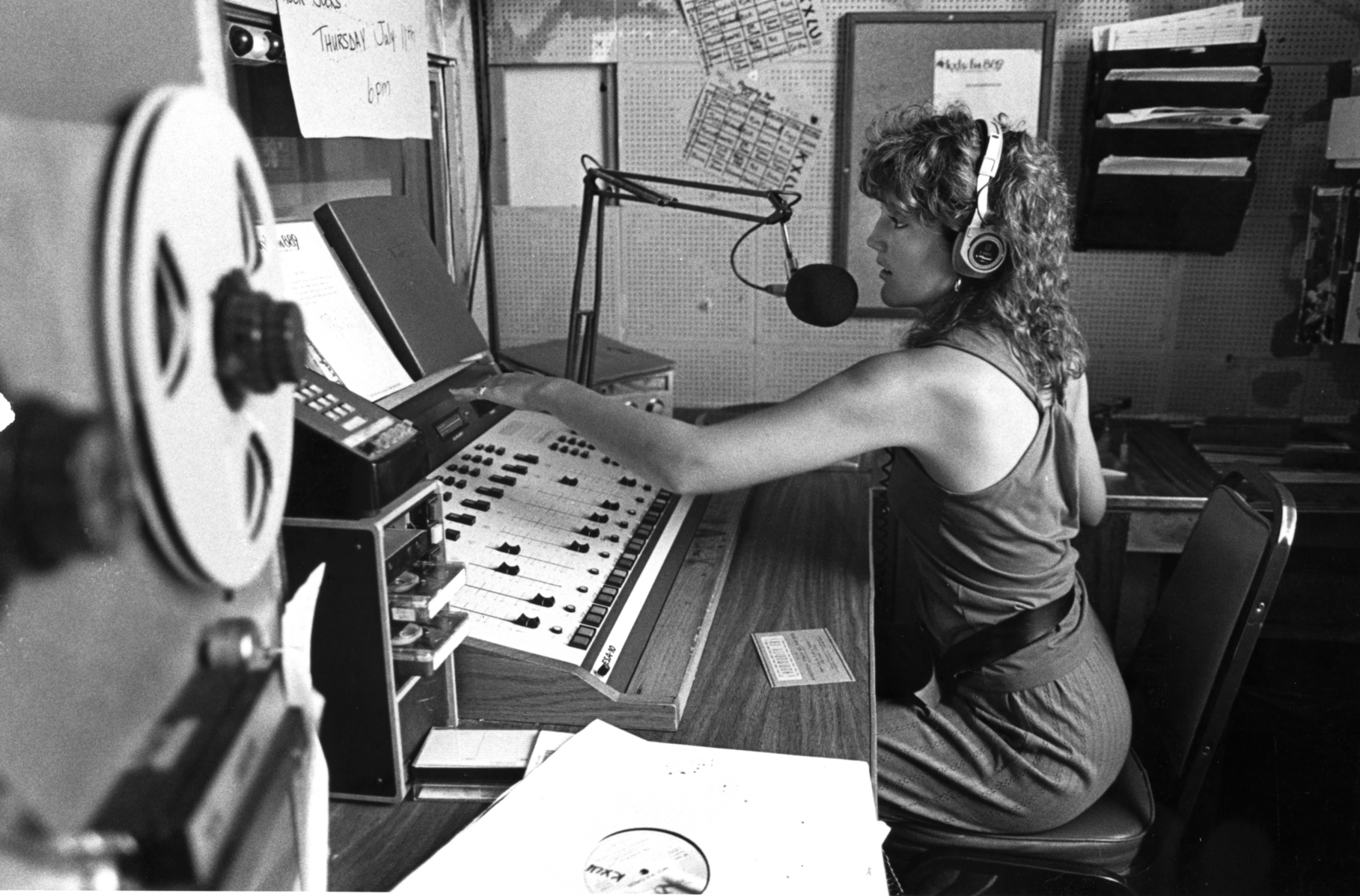
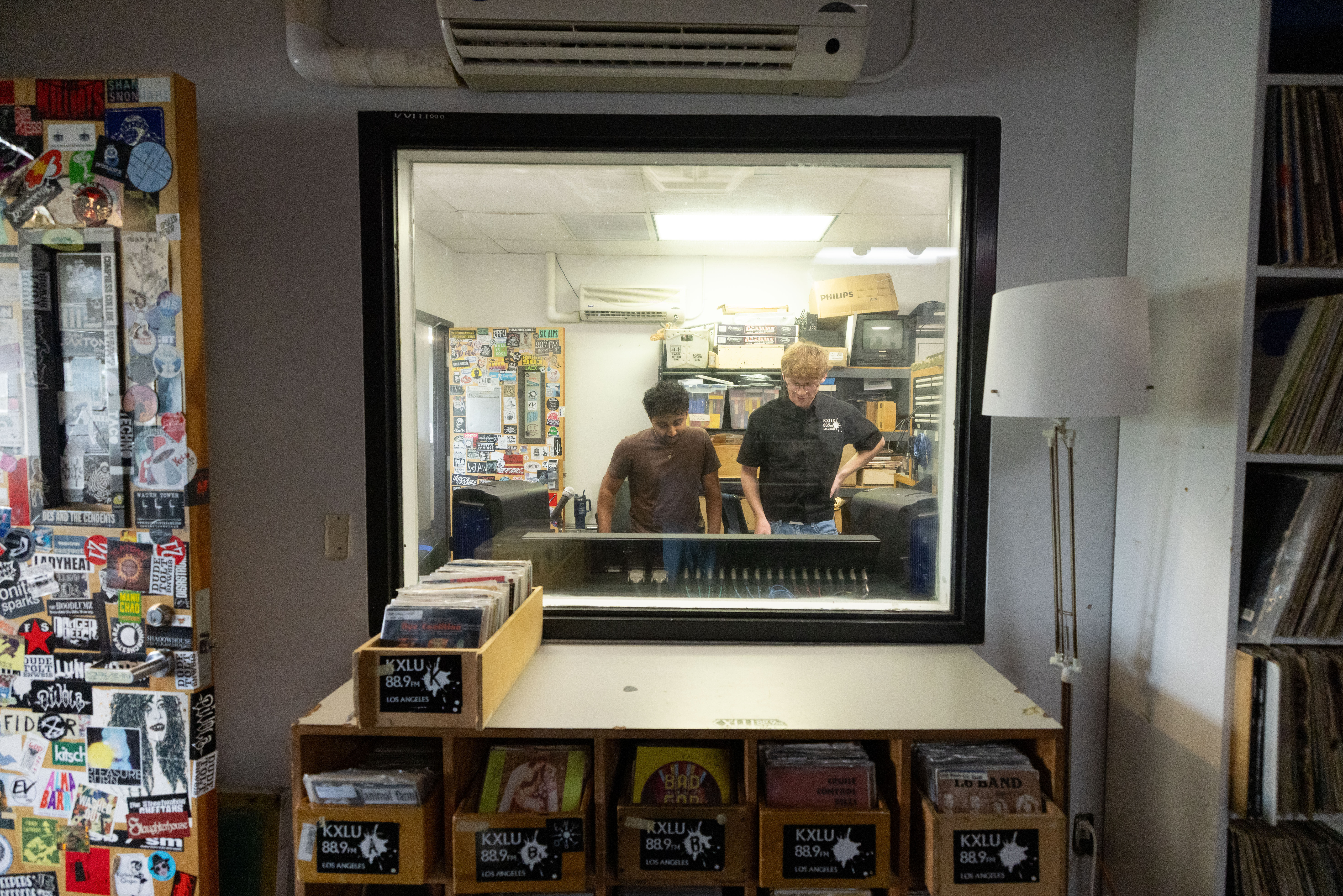
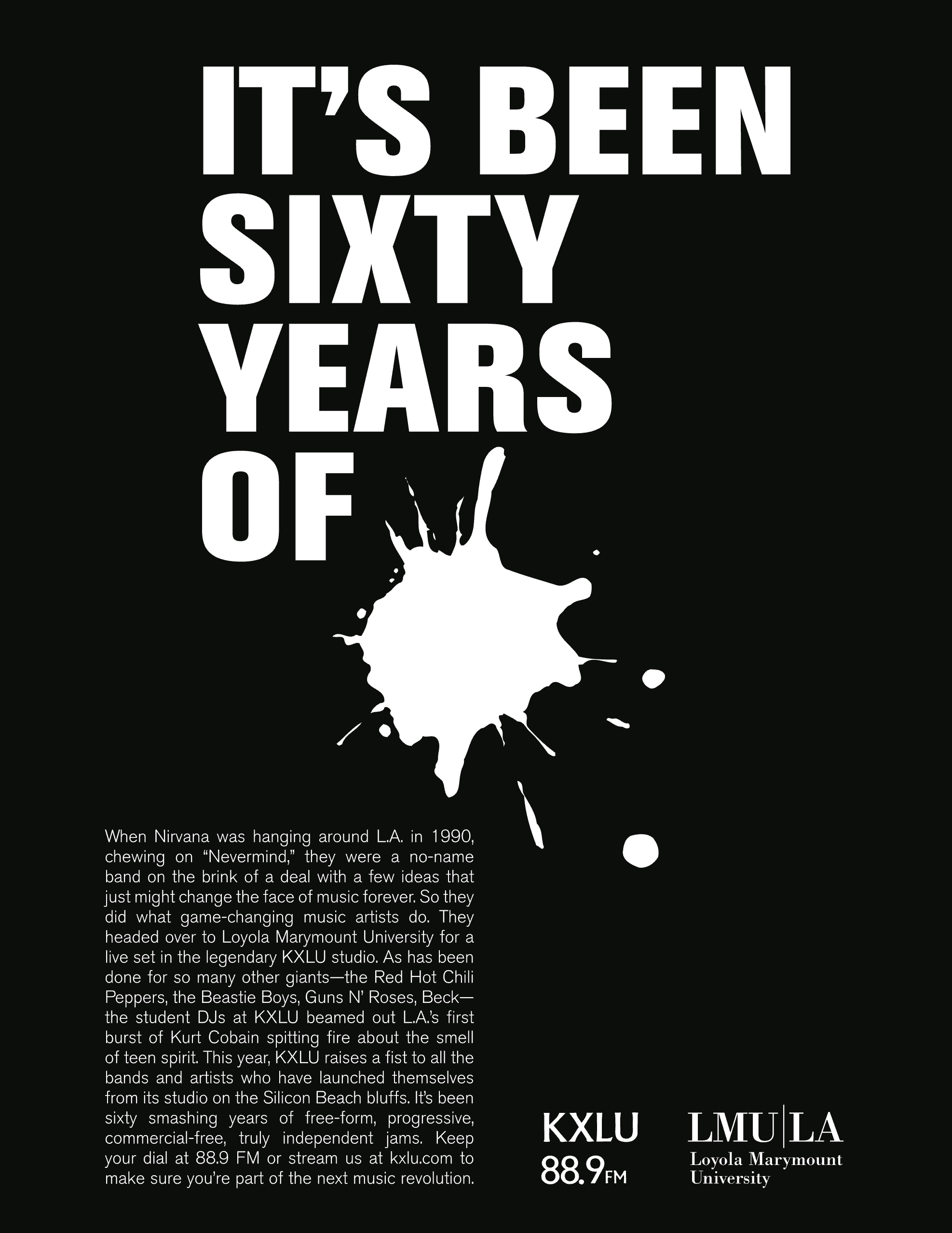
Broadcasting from the blufftops at 88.9 FM since 1957, KXLU is a 3,000-watt, non-commercial, FCC-licensed station that operates 24 hours a day, 365 days a year. Its terrestrial signal reaches roughly 30 miles into one of the world’s most influential media markets. That alone would make it notable.
But that’s not the story.
The story is that KXLU has become one of the most distinctive musical and cultural institutions connected to LMU—and one of the most quietly influential voices in Los Angeles, American music, and now, increasingly, the world.
KXLU has always been gloriously resistant to the tidy, predictable, optimized logic of commercial radio. It is free-form, commercial-free, proudly eclectic, and deeply human.
In an era when playlists are shaped by algorithms—and by the assumption that your entire personality can be reverse-engineered from three recent listens and one regrettable late-night search, KXLU still runs on people—on taste, curiosity, judgment, and the small but meaningful miracle of someone caring enough to put the right song on at the right time and tell you why it matters.
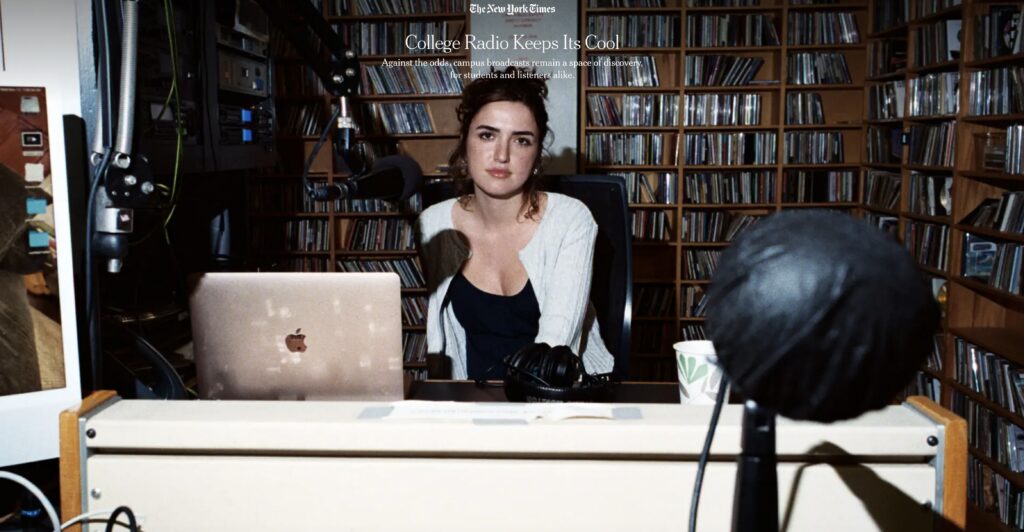
The New York Times understood as much when it profiled KXLU in November 2025, calling it “an unlikely powerhouse of college radio,” with some considering it “the very best in the nation.” Inside Higher Ed has likewise pointed to KXLU as a compelling example of experiential learning done right—where students are not simulating a profession, but actively practicing it. (And it shows: former KXLU student manager and Regent Emma Carrasco ’82 went on to become a familiar face at NPR and recently hosted LMU Lions at NBC’s Rockefeller Center—never forgetting where her journey began.)
A tastemaker with receipts
KXLU’s reputation as a tastemaker is not a campus myth we tell ourselves because we enjoy vinyl, obscure bands, and the romance of student media.
It has receipts.
In 1987, the Los Angeles Times described KXLU as Los Angeles’ champion of underground rock and noted that it had been consistently honored as one of the top college radio stations in the country. A decade later, it was still pointing to KXLU as the place where Angelenos first heard bands like R.E.M., Red Hot Chili Peppers, Jane’s Addiction, and Guns N’ Roses—long before those names became obvious fixtures of the mainstream and safe choices for “classic alternative” playlists.
The Beastie Boys came to KXLU for an interview and a live session. Nirvana premiered Smells Like Teen Spirit on KXLU before other stations even had the track, gave its first on-air interview for Nevermind there, and invited listeners to show up for the video shoot the next day. Kurt Cobain reportedly sketched the Nevermind concept while at the station. Frankly, that is the kind of trivia universities should never stop mentioning.
And the list of artists tied to KXLU runs well beyond the usual headline names. Over the years, the station has been associated with early support, sessions, interviews, or live appearances from artists including Beck, Death Cab for Cutie, Interpol, Silversun Pickups, The Postal Service, The Minutemen, Beachwood Sparks, The Shins, Arcade Fire, Blackalicious, Jurassic 5, Sonic Youth, Weezer, Modest Mouse, Jimmy Eat World, The Black Keys, A.F.I., Green Day, Crystal Castles, Animal Collective, Hot Hot Heat, Rilo Kiley, and more. The cumulative point is not just that KXLU has a cool archive. It is that the station has spent decades noticing things before the broader culture does.
That pattern matters, because tastemaking is not just about being first.
It is about having the confidence to trust a human ear before the market validates it. KXLU has been doing that for a very long time. Flea describes hearing the Red Hot Chili Peppers on KXLU early on and recalls what that moment felt like—before any of it was inevitable. The video also features Mike Watt, Chali 2na, Bob Bruno, and LMU alumnus Jimmy Tamborello ’97, among others. That is not a casual alumni montage. That is testimony from people who understand exactly what KXLU has meant in the musical life of Los Angeles.
What I especially appreciate is that KXLU is not merely living off its past.
In 2024 alone, Wildwood Flower Radio Hour hosted 118 live in-studio sessions featuring artists from across the country. That detail may seem small compared with the station’s most famous legends, but in some ways it tells the deeper truth. KXLU is still making space. Still opening the door. Still giving airtime and attention to artists who may not fit neatly inside commercial formulas.
It doesn’t chase trends.
And sometimes, it helps create them.
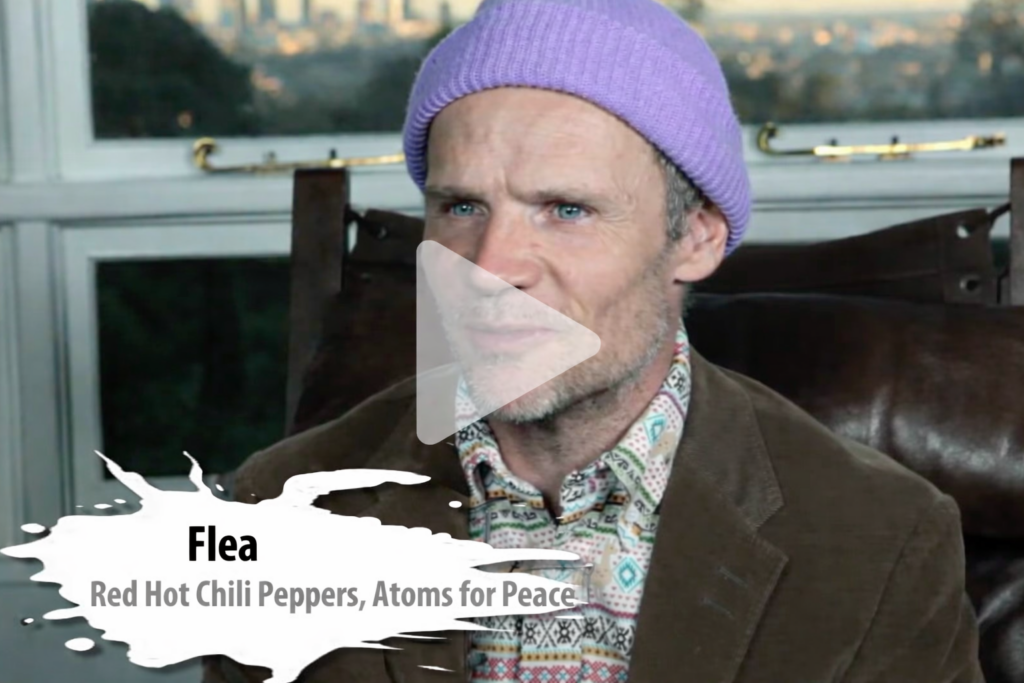
Hear Flea reflect on the station that helped launch artists from the Red Hot Chili Peppers to Beck.
Produced in 2015 for KXLU’s 60th anniversary, “The Radio Star Speaks” captures the station’s lasting impact.
Alma del Barrio: culture that lasts
If KXLU has a soul within its soul, it is Alma del Barrio.
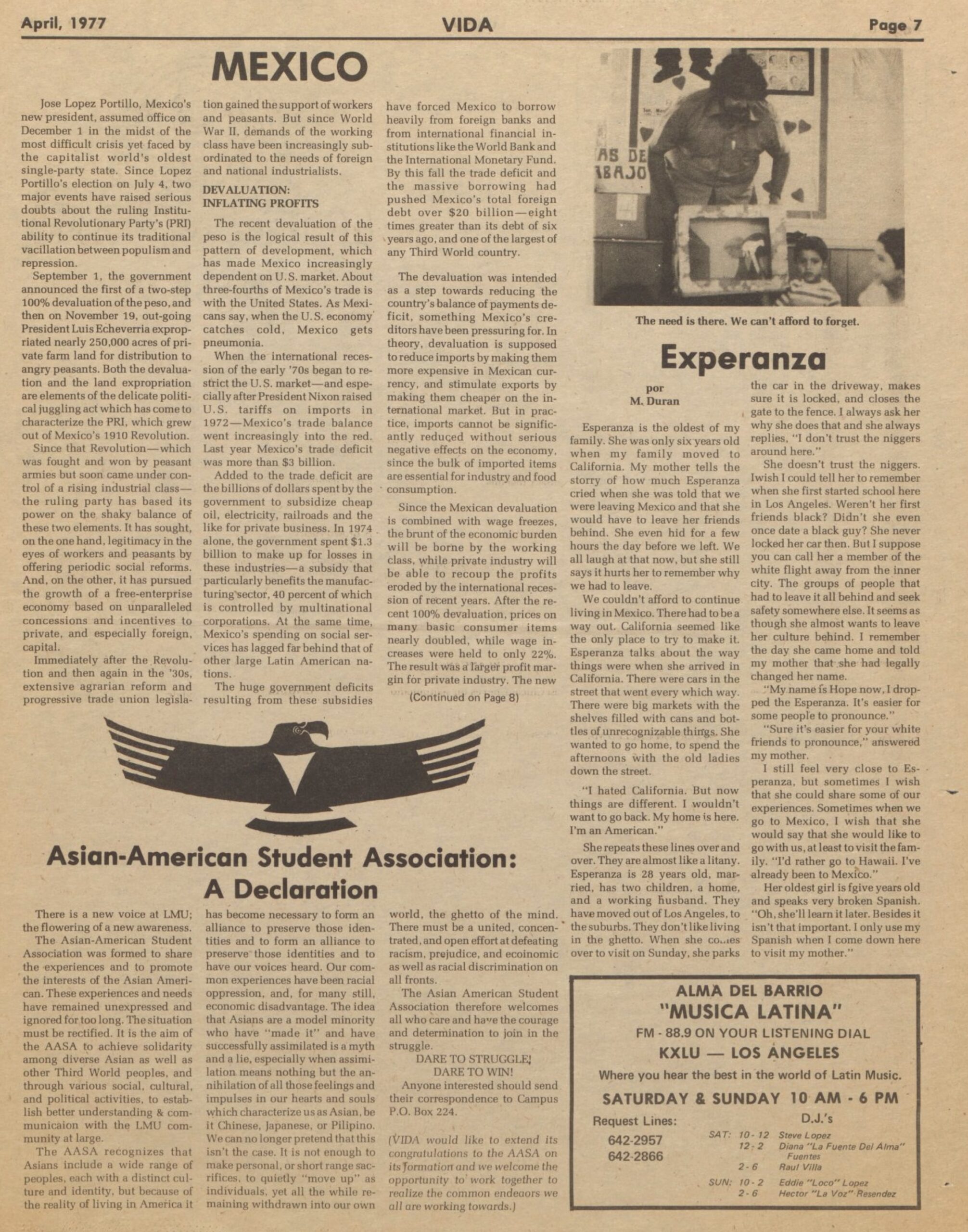
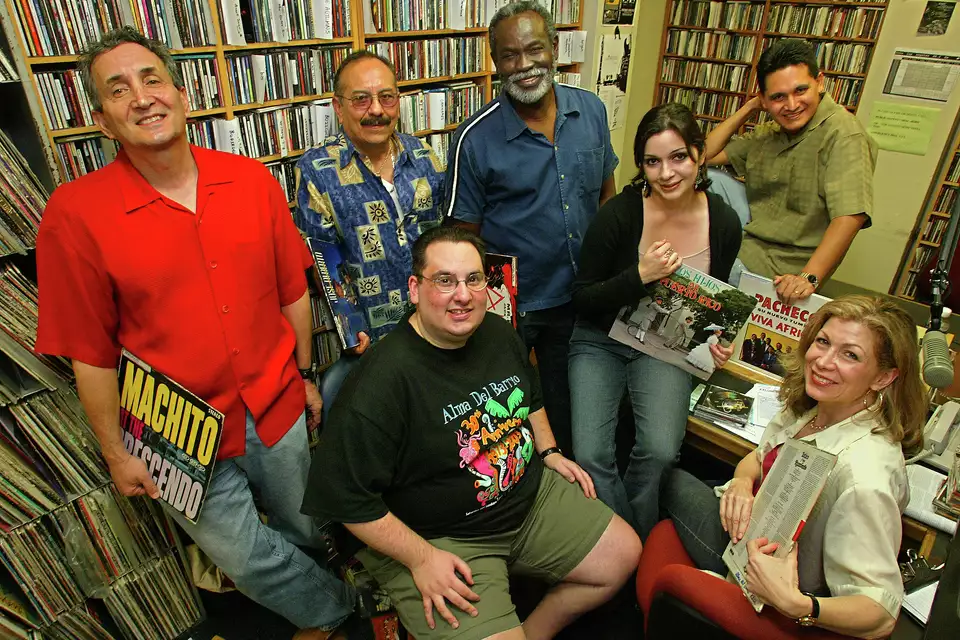
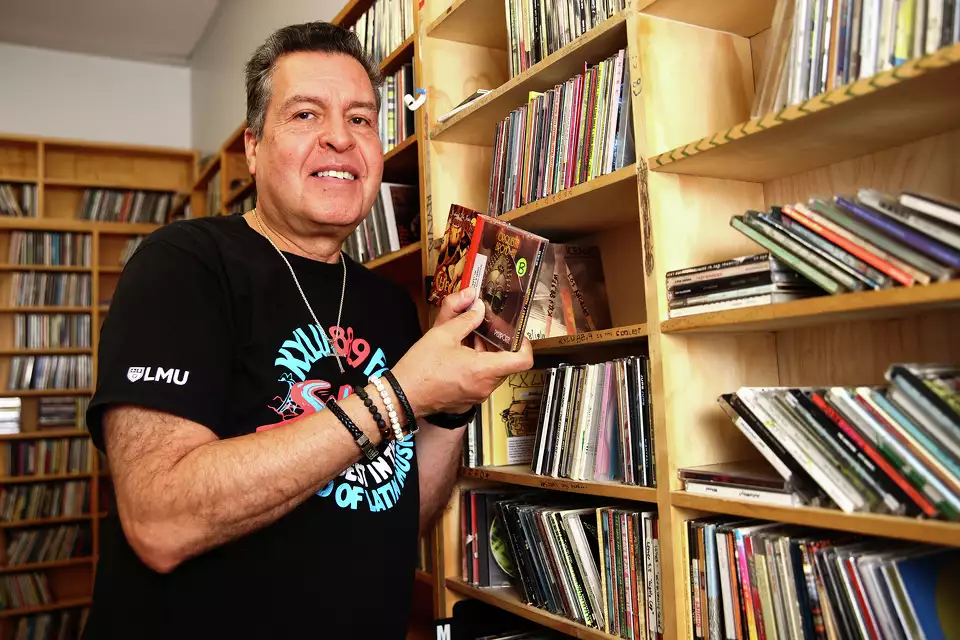
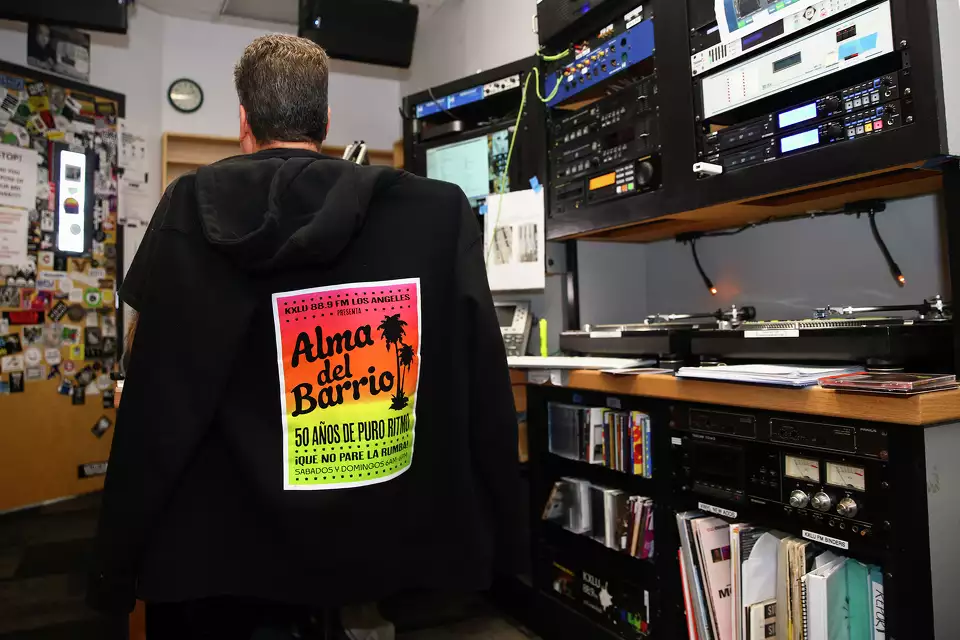
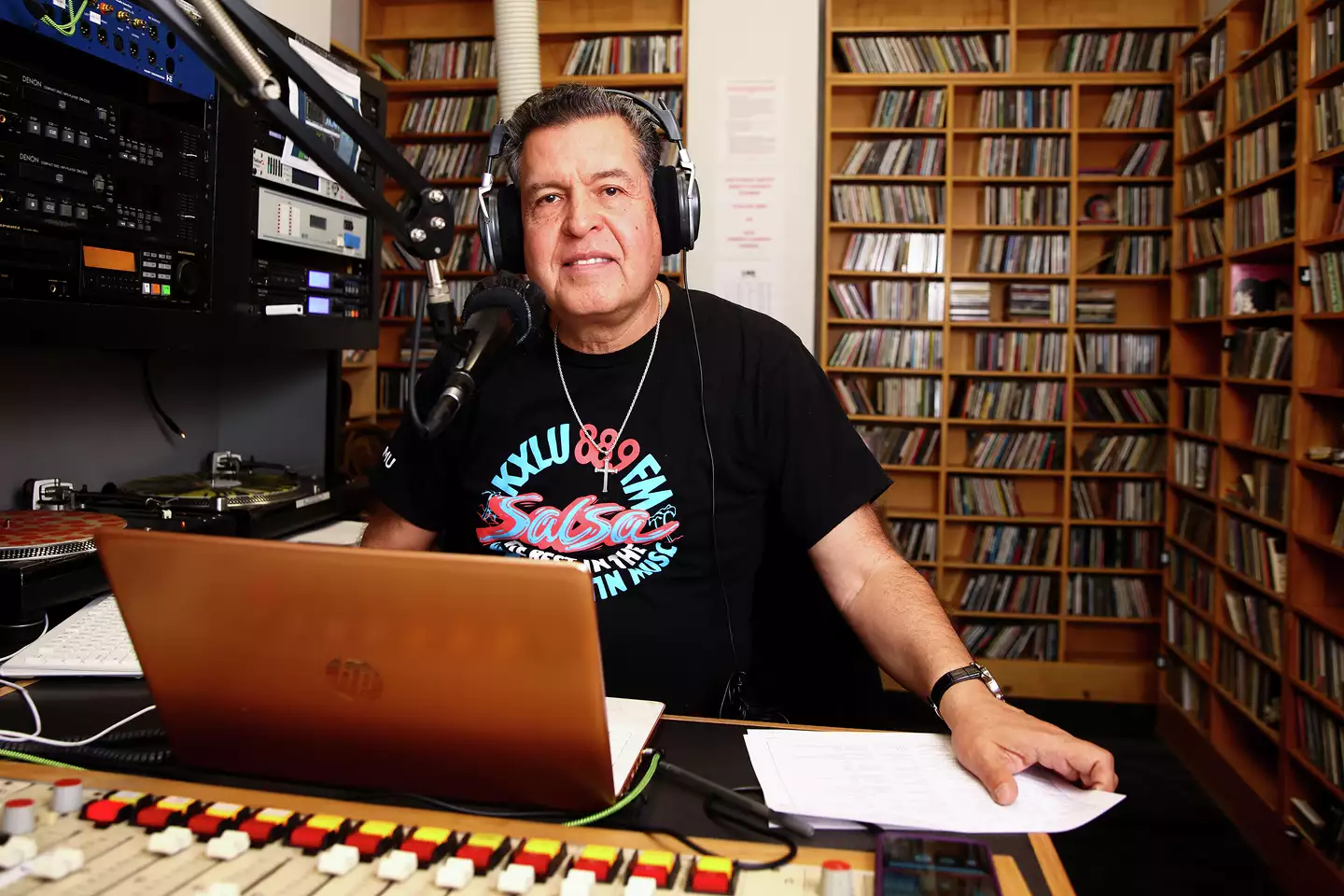
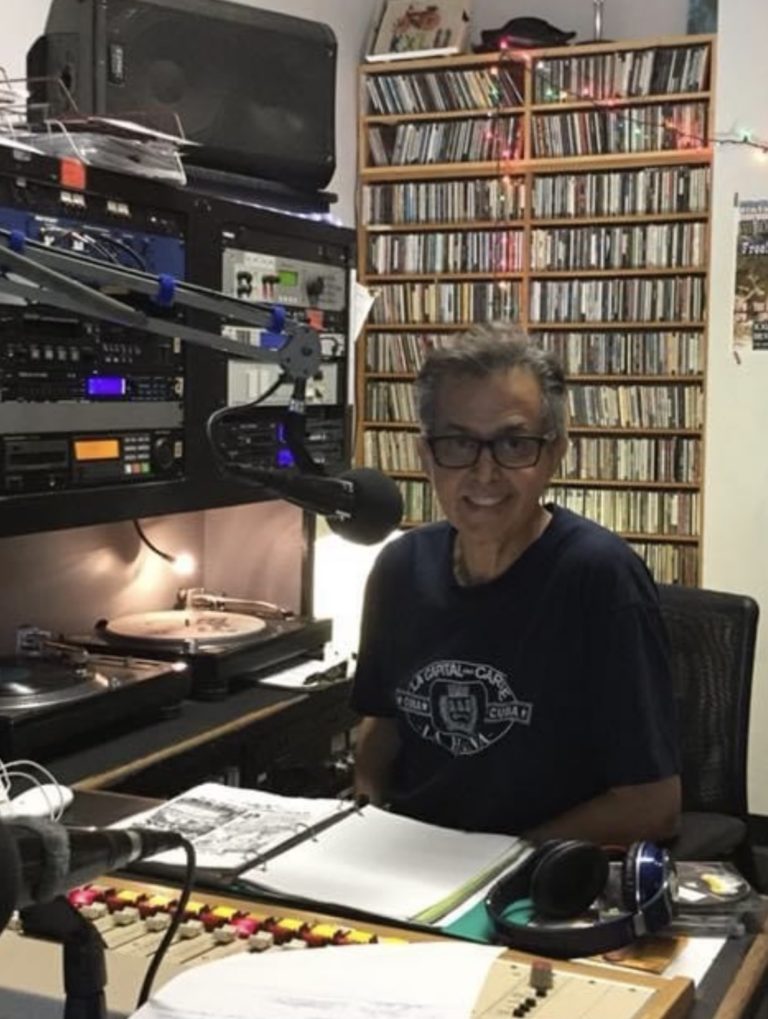
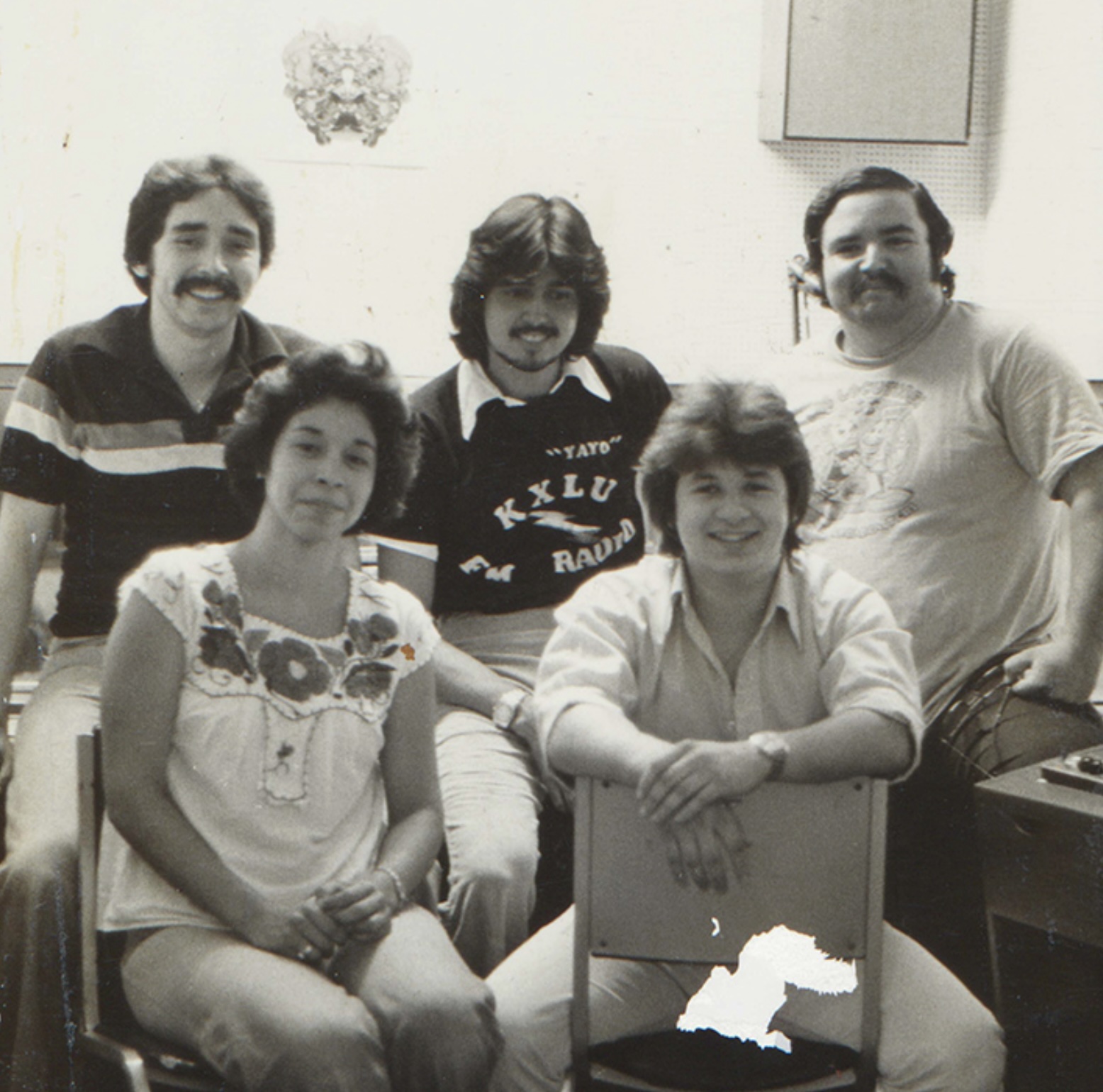
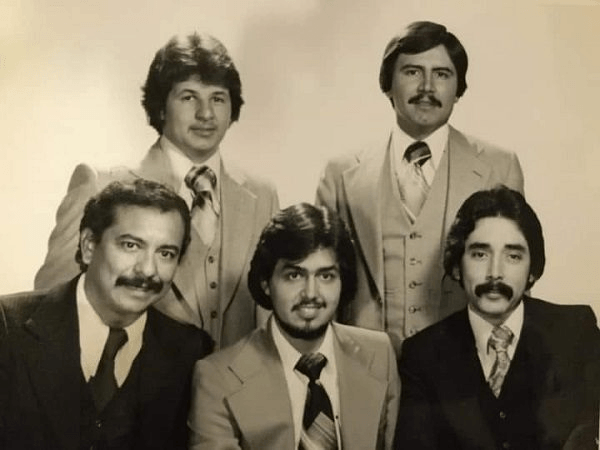
Founded in 1973 by LMU students Enrique “Kiki” Soto and Raul Villa, Alma del Barrio began as a one-hour program and grew into a weekend institution that now airs from 6 a.m. to 6 p.m. on both Saturdays and Sundays. It is widely regarded as one of the longest-running Latin music programs in the country, and for many listeners it is not simply a radio show. It is part of the weekly rhythm of life.
But longevity alone doesn’t explain it.
Lots of things last. Far fewer remain beloved, trusted, and alive.
Alma del Barrio became something much more important than a successful specialty program. It became a trusted cultural voice. Long before anyone was using phrases like “community engagement” or “public-facing activation,” the program was already doing the real thing—promoting neighborhood events, health clinics, blood drives, voter awareness, and community resources while also preserving, celebrating, and elevating Latin music traditions too often overlooked elsewhere.
It did not just follow the community. It helped build one.
And it did so in a way that feels especially meaningful at LMU. Alma del Barrio is one of those beautiful expressions of what happens when education, culture, and public service stop operating in separate lanes. A student-founded program became a multigenerational institution. A campus platform became a regional cultural touchpoint. A university station became a trusted companion in homes, cars, celebrations, and ordinary weekends. (Check out “Canto de la Cuidad” from LMU Magazine.)
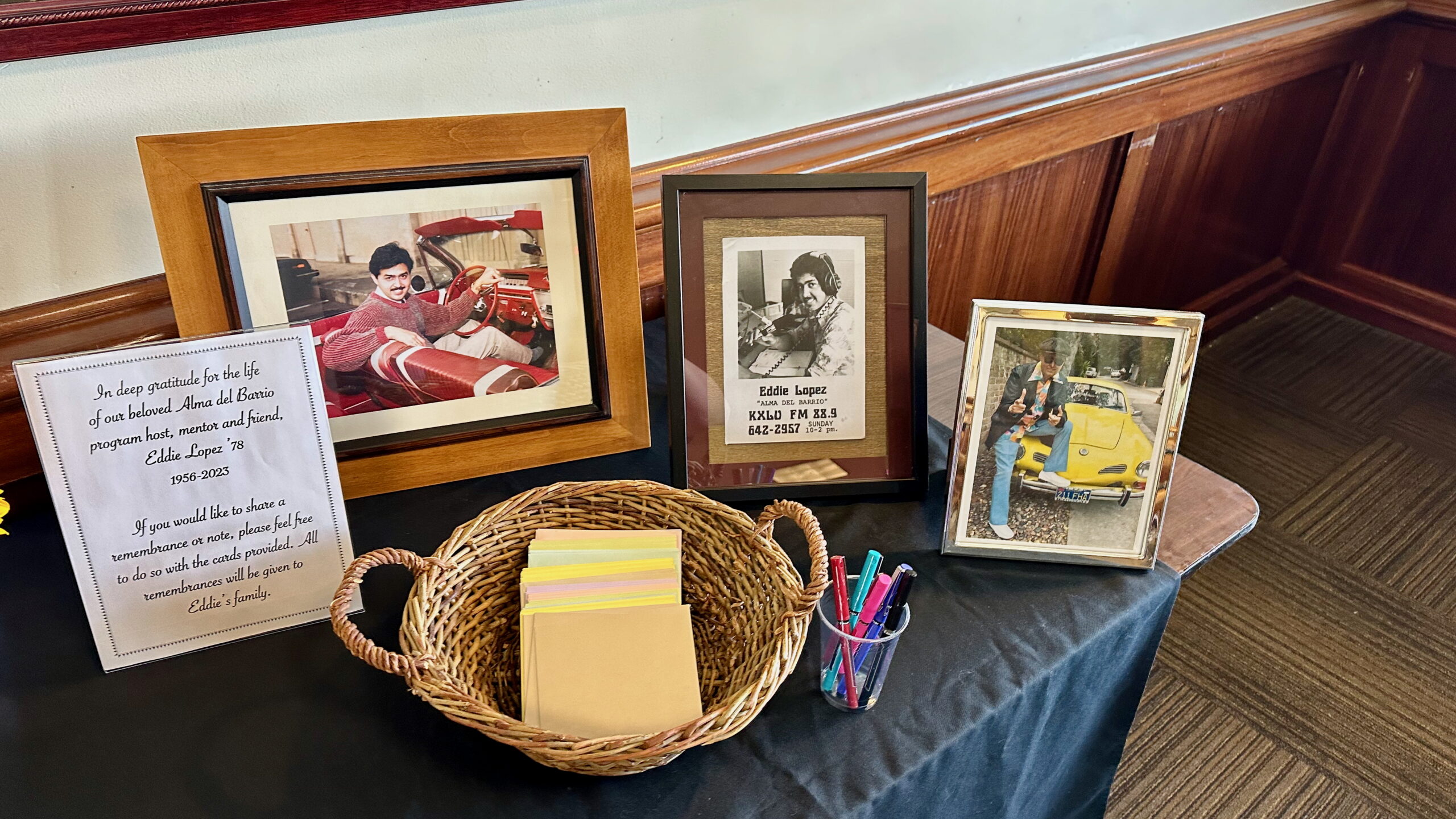
The Los Angeles City Council formally recognized Alma del Barrio on its 50th anniversary. Artists have credited the program with preserving tradition and helping shape career pathways. The late Eddie Lopez, an LMU alumnus and KXLU pillar, devoted more than four decades of service to the program. You do not get that kind of continuity, affection, and credibility by accident.
Salsa Fest: when radio becomes the public square
And then, once a year, that legacy leaves the booth and takes over campus.
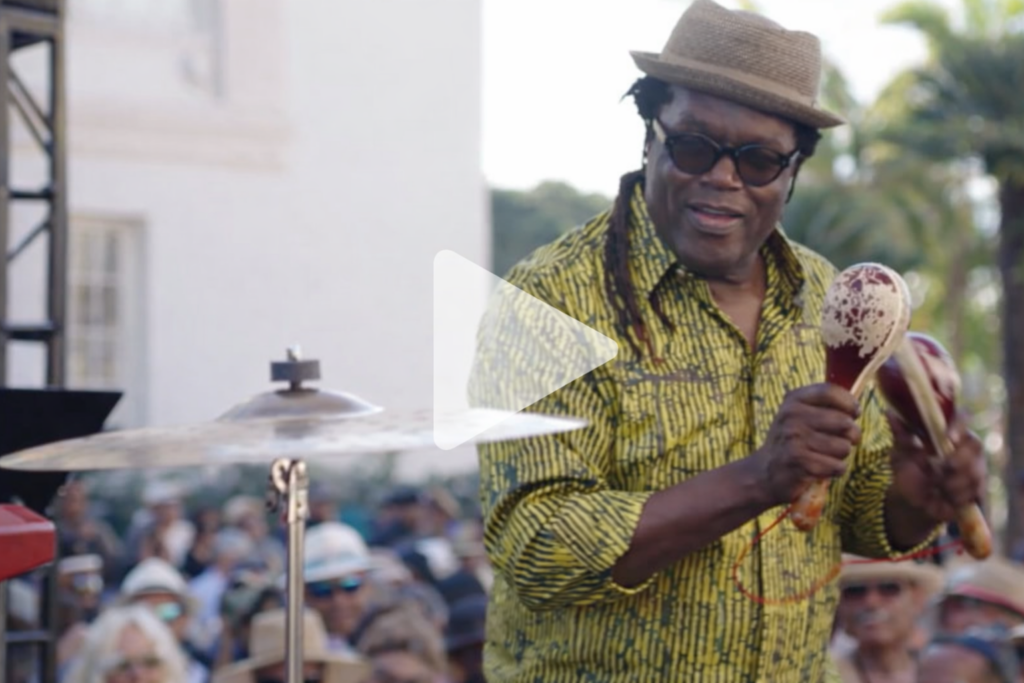
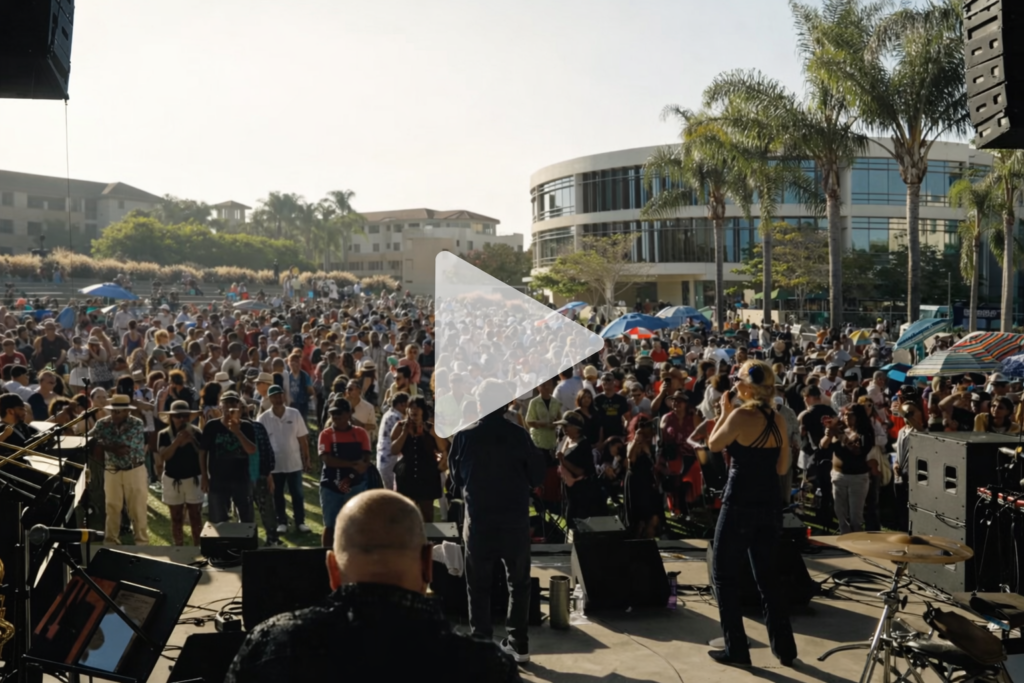
What began as an extension of Alma del Barrio has become one of LMU’s most attended annual events—drawing thousands of visitors to campus year after year—I met people last year who had traveled in from the East Coast. That is an extraordinary sentence to write about a university radio station.
Let’s pause on that.
A college radio station is responsible for one of top five largest recurring community events at the university.
That is not typical.
That is KXLU.
Salsa Fest is one of the clearest expressions of what makes the station special. It is not niche. It is particular, rooted, and joyful—and because of that, it becomes expansive. Music, dancing, food, local vendors, families, alumni, neighbors, longtime fans, curious newcomers: the event turns a beloved radio program into a living public square.
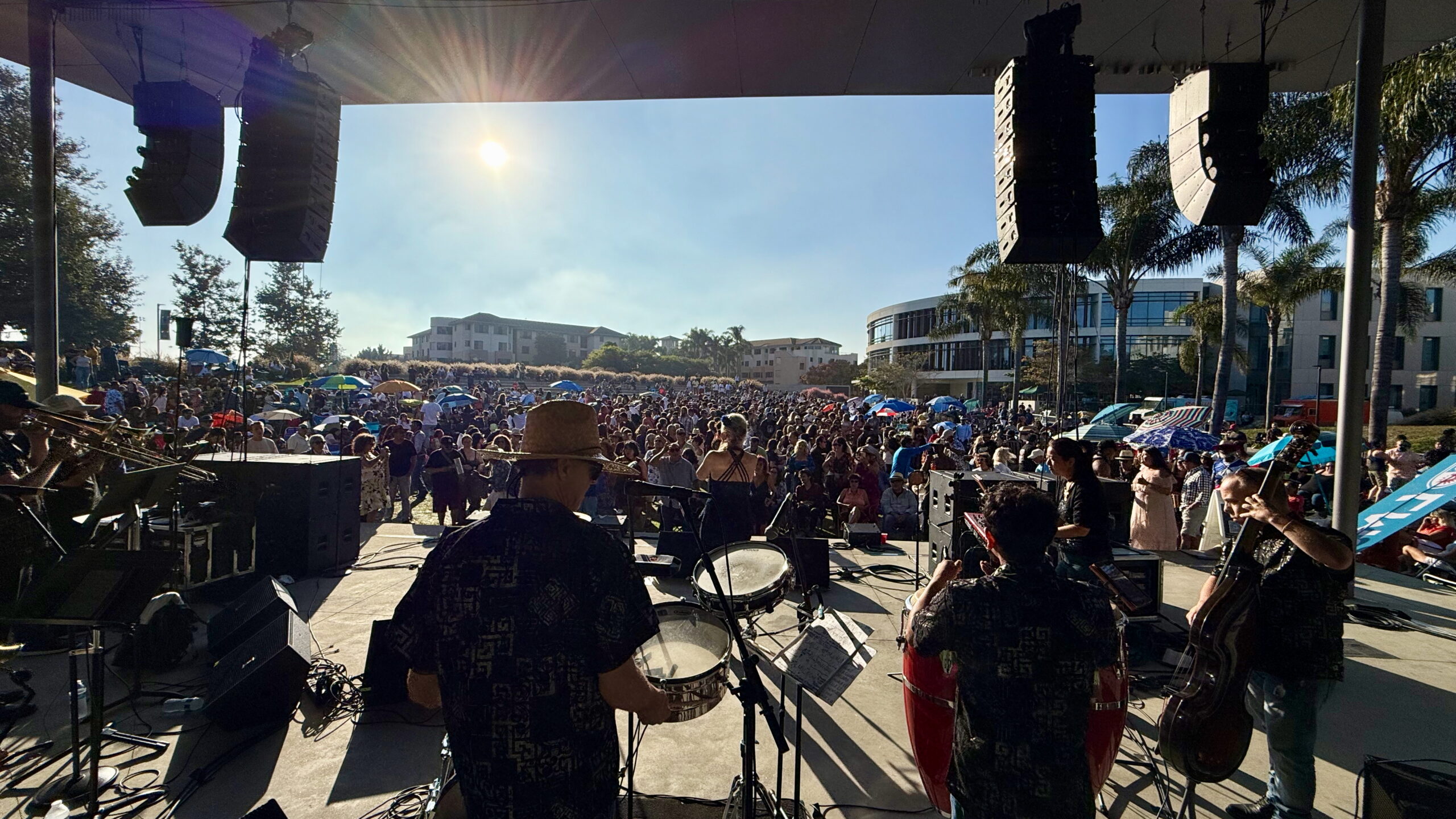
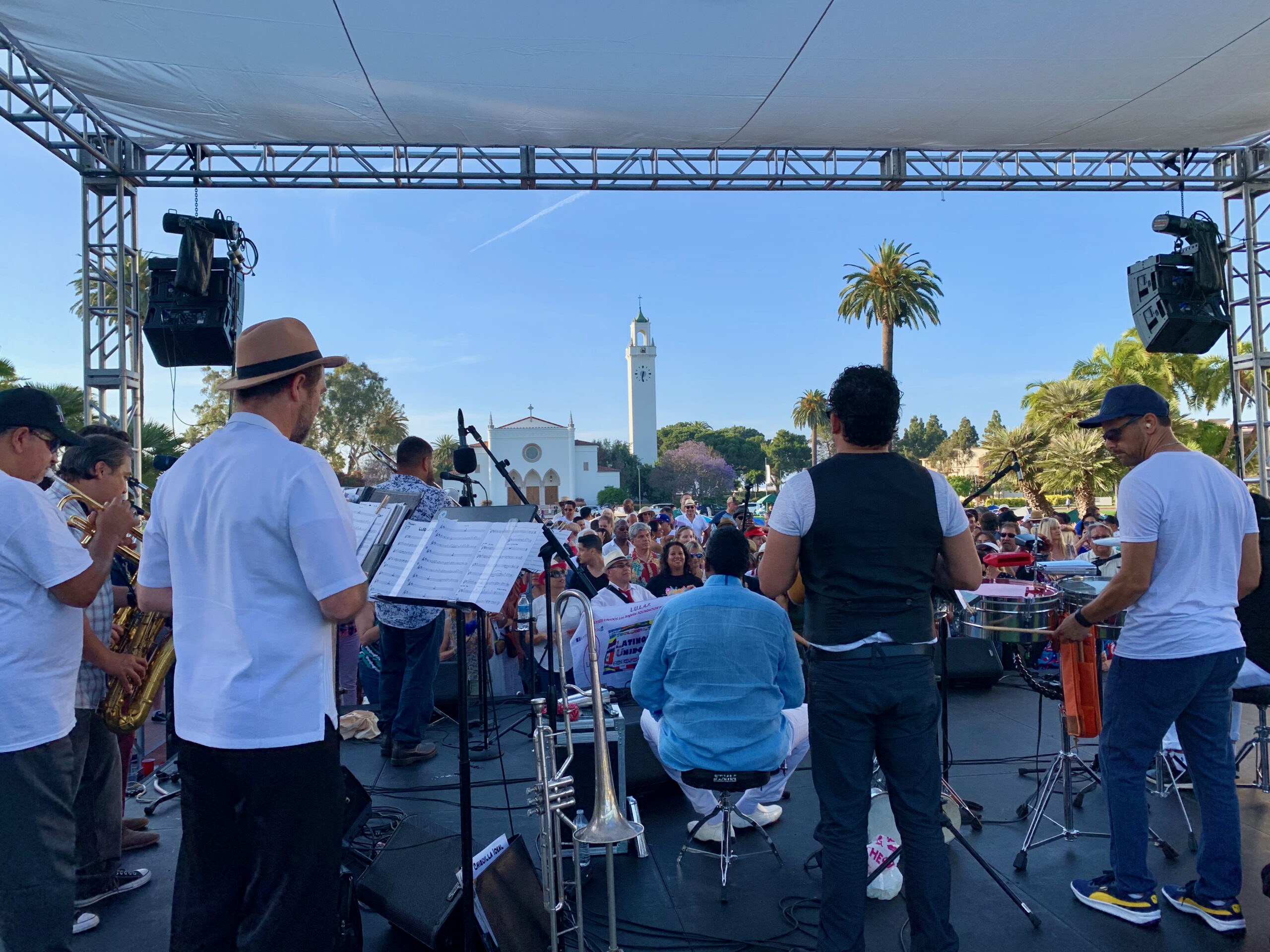
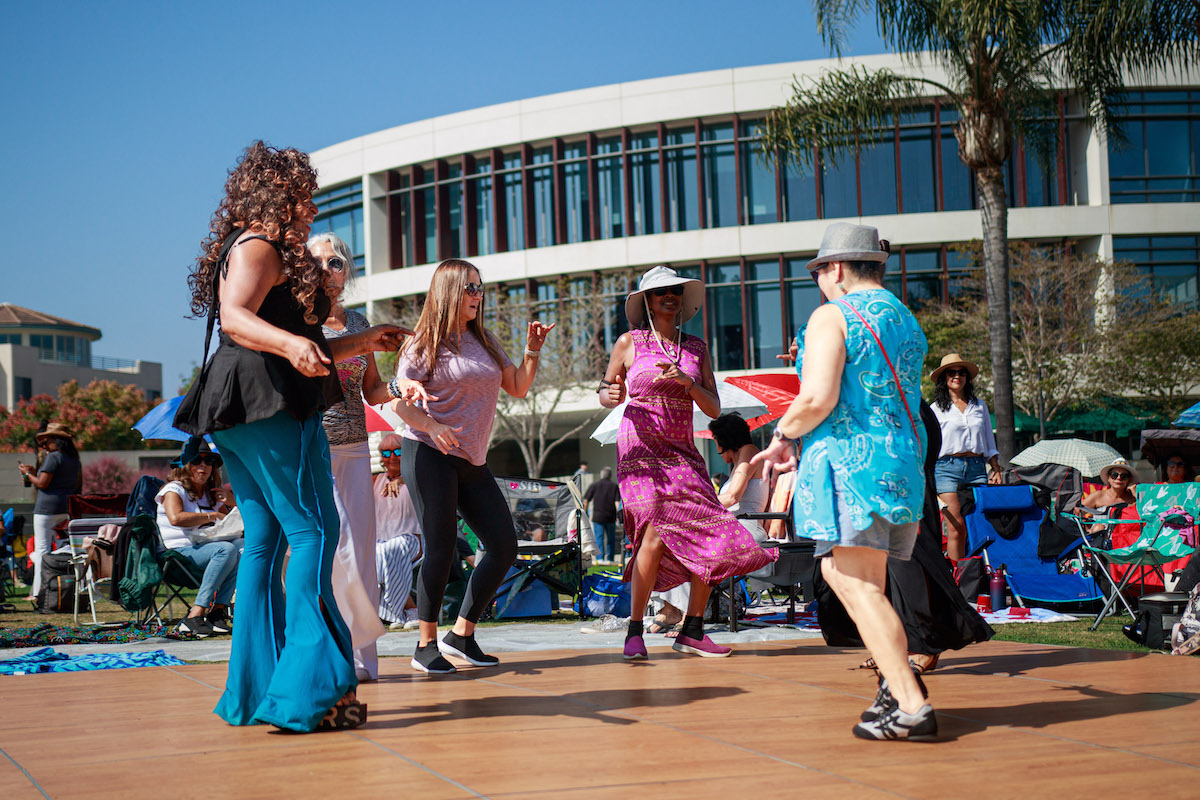
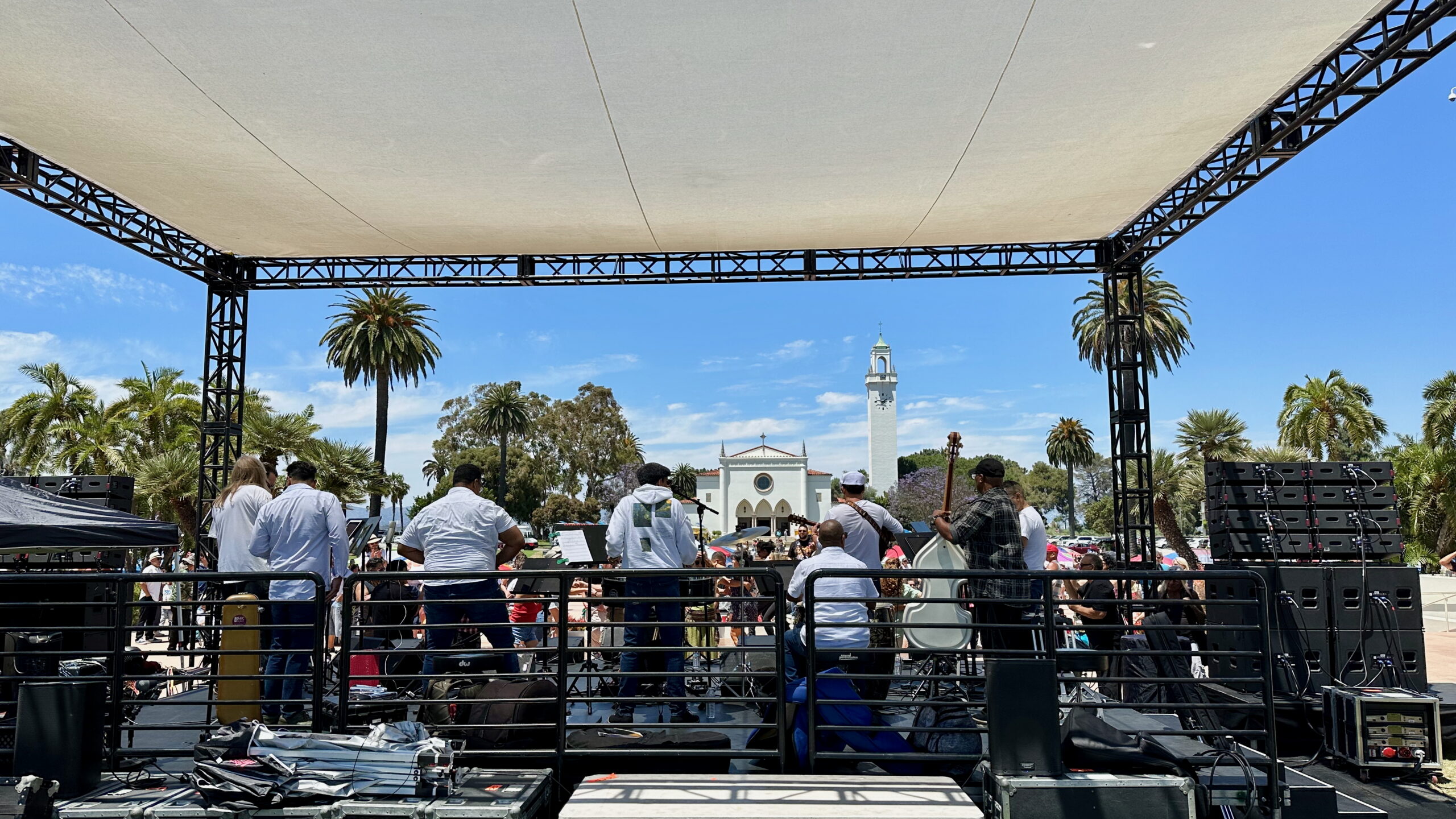
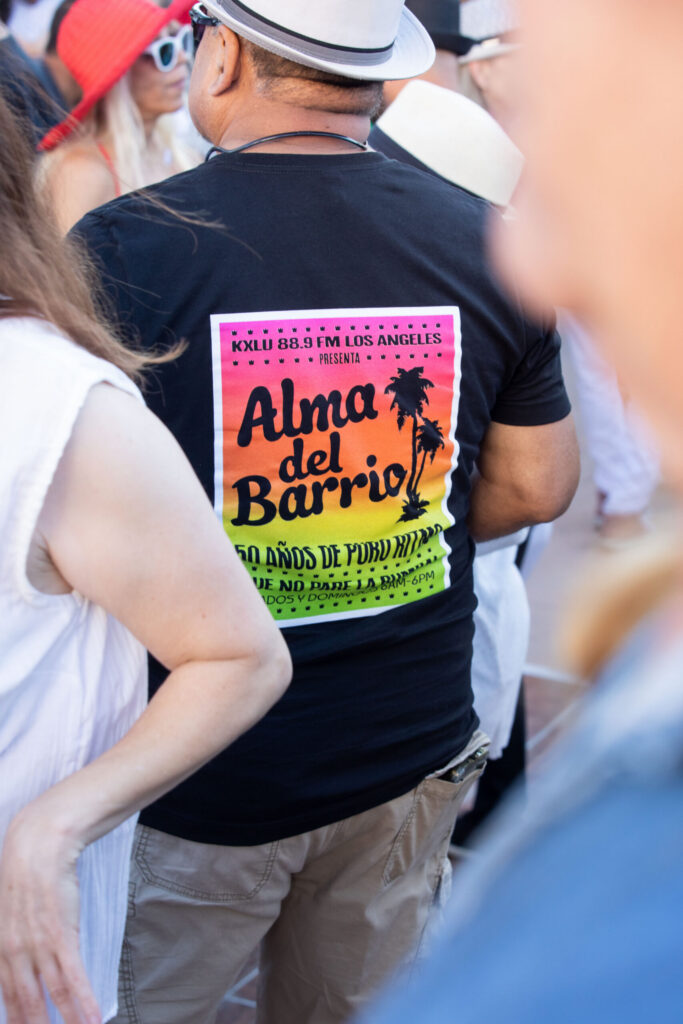
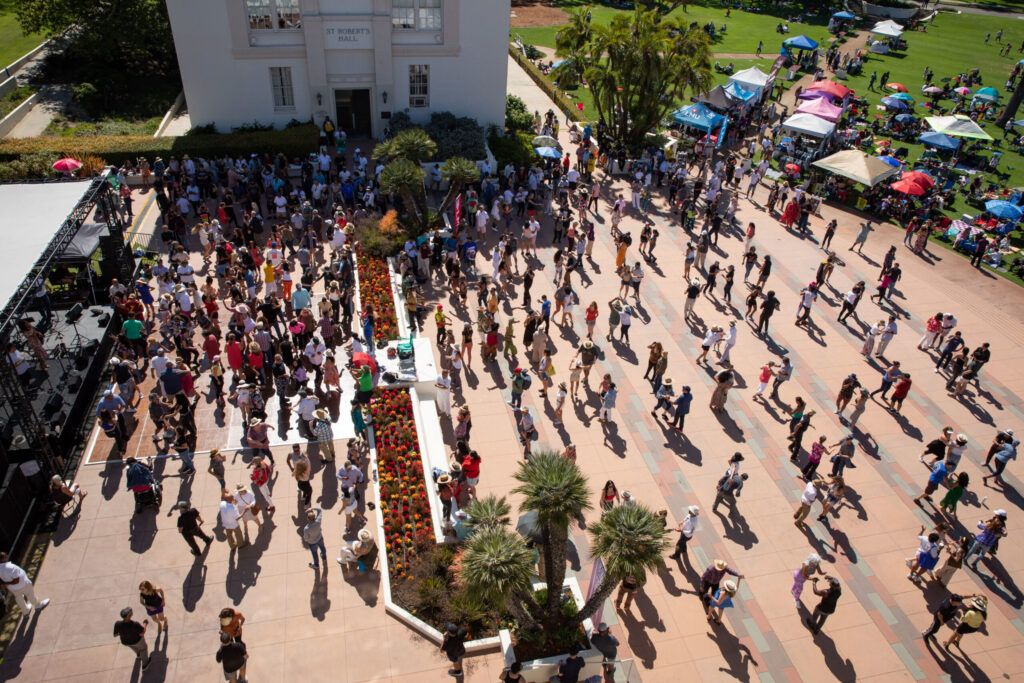
Because one of KXLU’s gifts is that it does not merely broadcast culture at people from a distance. It convenes it. It creates a place for it to gather. It reminds us that radio, at its best, is not only about transmission. It is about connection.
I also appreciate that Salsa Fest is not a one-note celebration. Recent festivals have honored and highlighted other long-running KXLU world-music traditions as well, including The Brazilian Hour, Serenata de Trios, and Groove Time. KXLU understands itself as a steward of musical memory and a keeper of traditions that deserve more oxygen, more joy, and more public presence than mainstream media usually offers.
Local signal. Global reach.
On the FM dial, KXLU’s terrestrial signal—a 30-mile radius in Los Angeles—is essentially irreplaceable real estate, prime space in one of the most important media environments in the country.
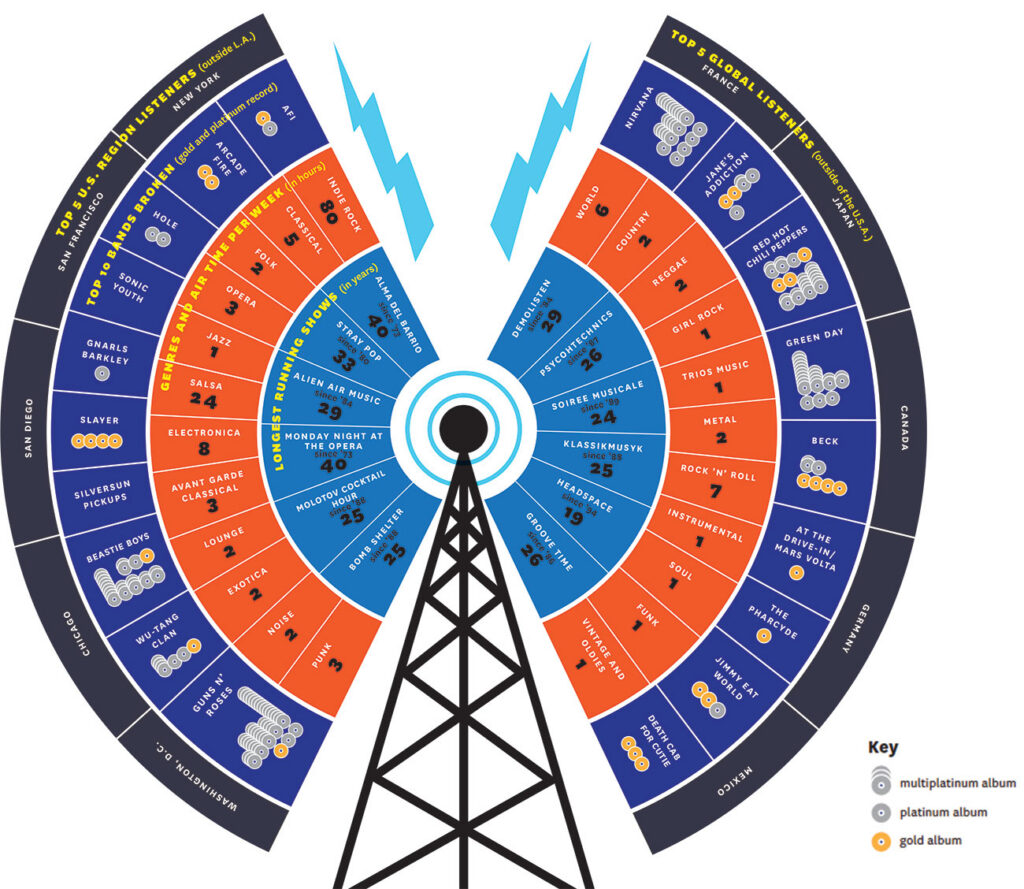
But terrestrial is only part of the story now.
KXLU is also global.
In 2024, the station logged more than 492,000 web listening hours and more than 544,000 active streaming sessions, with roughly 265,000 daily listeners across terrestrial and streaming. Its top streaming countries included the United States, Canada, Germany, Russia, and Belgium. Its top global cities included Toronto, Montreal, Berlin, and beyond.
Which is not the sort of sentence one expects to write about a room on the fourth floor of Malone.
But here we are.
KXLU may begin at 88.9 FM Los Angeles.
It no longer ends there.
This is not simply a beloved local artifact from another era. It is a local institution with a global footprint. It still serves LA first, and that identity is central to who it is. But it now travels—across time zones, across borders, across devices, and across generations of listeners who discover it in entirely new ways.
Why this matters to LMU
It is easy to think of KXLU as something cool we happen to have.
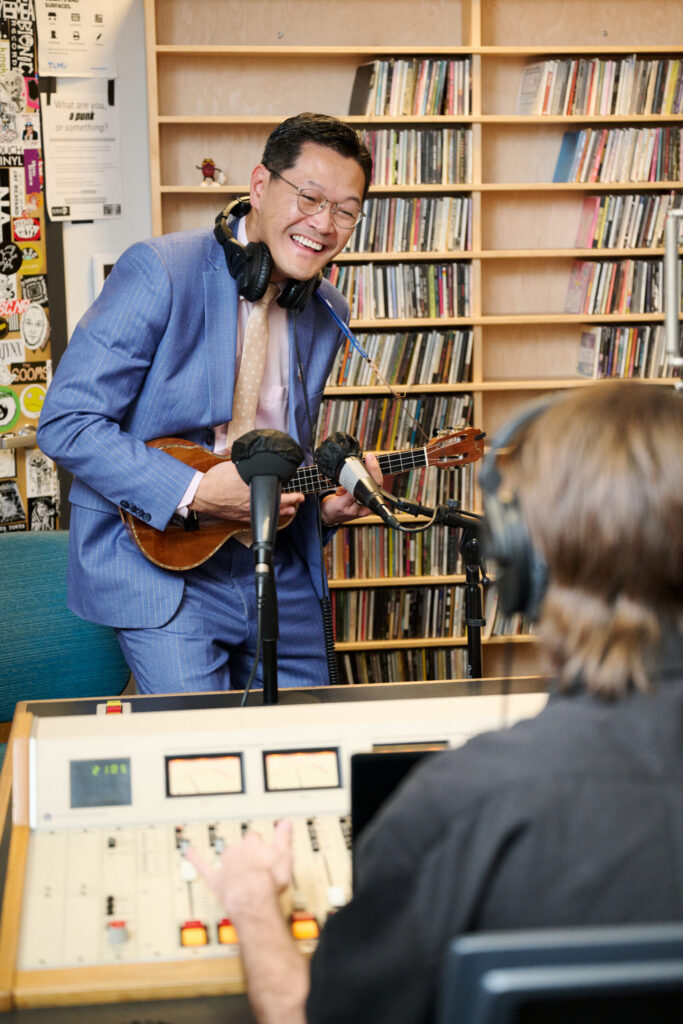
Check out his on-air segments.
It is more than that.
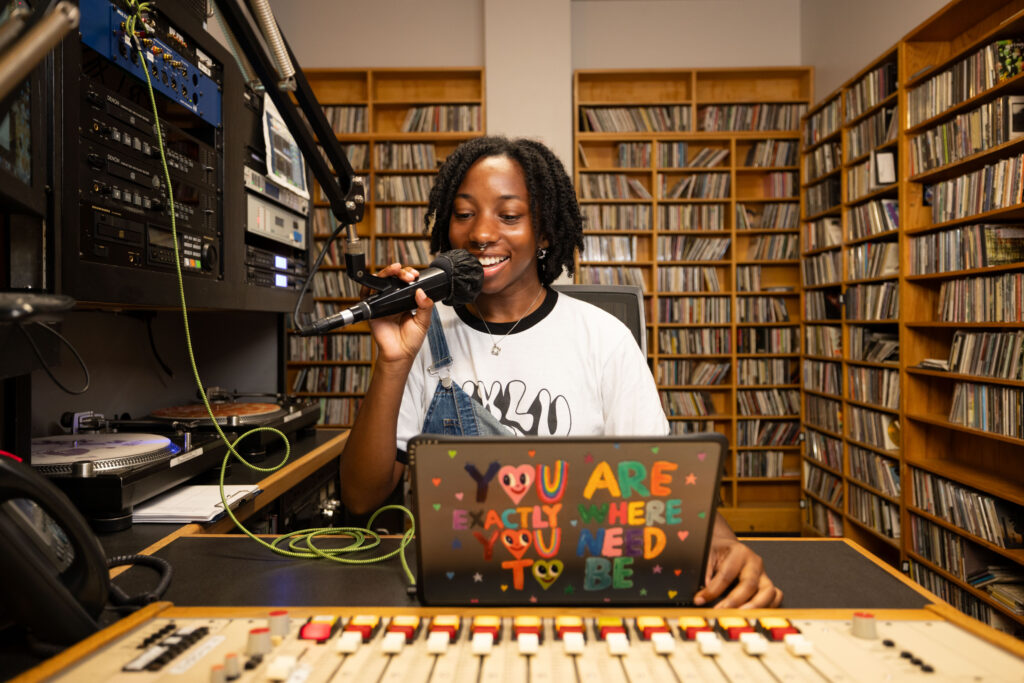
It is one of the most distinctive learning environments available to students in Los Angeles.
Students do not simulate radio there. They run it. They program it. They produce it. They host it. They engineer it. They manage promotions, operations, public affairs, technical problem-solving, and the thousand small decisions that make live broadcasting work. They develop judgment in real time, with real audiences, in one of the most competitive media environments in the world.
That matters.
Because LMU is not just about knowledge.
It is about formation.
And KXLU forms people—creatively, professionally, relationally, and personally—in ways that are difficult to replicate. It teaches responsibility, improvisation, discipline, and courage. A sense of audience. A sense of mission. It asks students to bring personality and professionalism together, and to do so in public.
That is not theoretical learning.
That is education with the faders up.
KLMU, the station’s online platform and training ground, extends that formation by creating an entry point for students beginning their radio journey. The demand alone says something: students know when an opportunity is real.
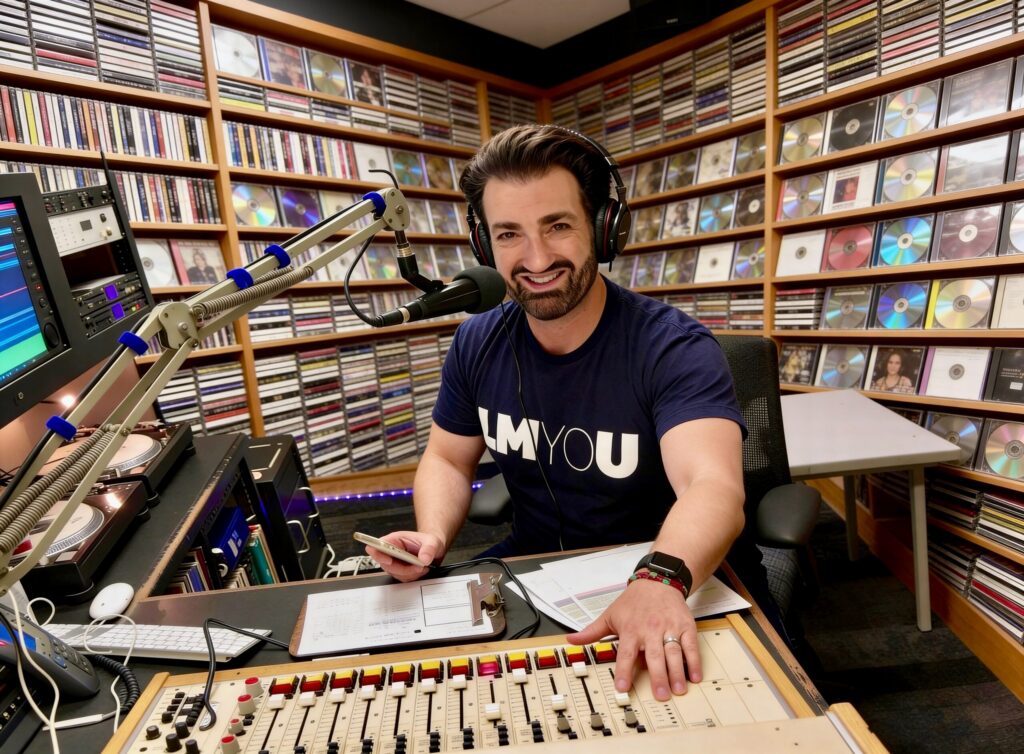
proof that some things are better experienced at a slower tempo. Thx, Lyds!
If you’re a bossa nova fan like me, enjoy the full audio recording of my show here.
I had the chance to experience a small part of that reality firsthand when I was invited to co-host a special program—Bossa Bistro for Rio—built around one of my favorite genres, bossa nova. Sitting in the booth, live on the air, was exhilarating and humbling in equal measure. Radio is one of those crafts that looks easy right up until the red light goes on. It also gave me a chance to attempt Portuguese pronunciation with bravery that exceeded accuracy. I remain grateful to the station and its listeners for their patience—and hopeful that the Portuguese language has since fully recovered.
Gratitude where it’s due
A station like this does not sustain itself by accident.
It requires leadership that understands both operations and culture. Both mission and medium. Both the technical discipline of keeping a real station running and the deeper instinct for what must be protected if the station is to remain itself.
That is why any appreciation of KXLU should include gratitude to Lydia Ammossow ’94.
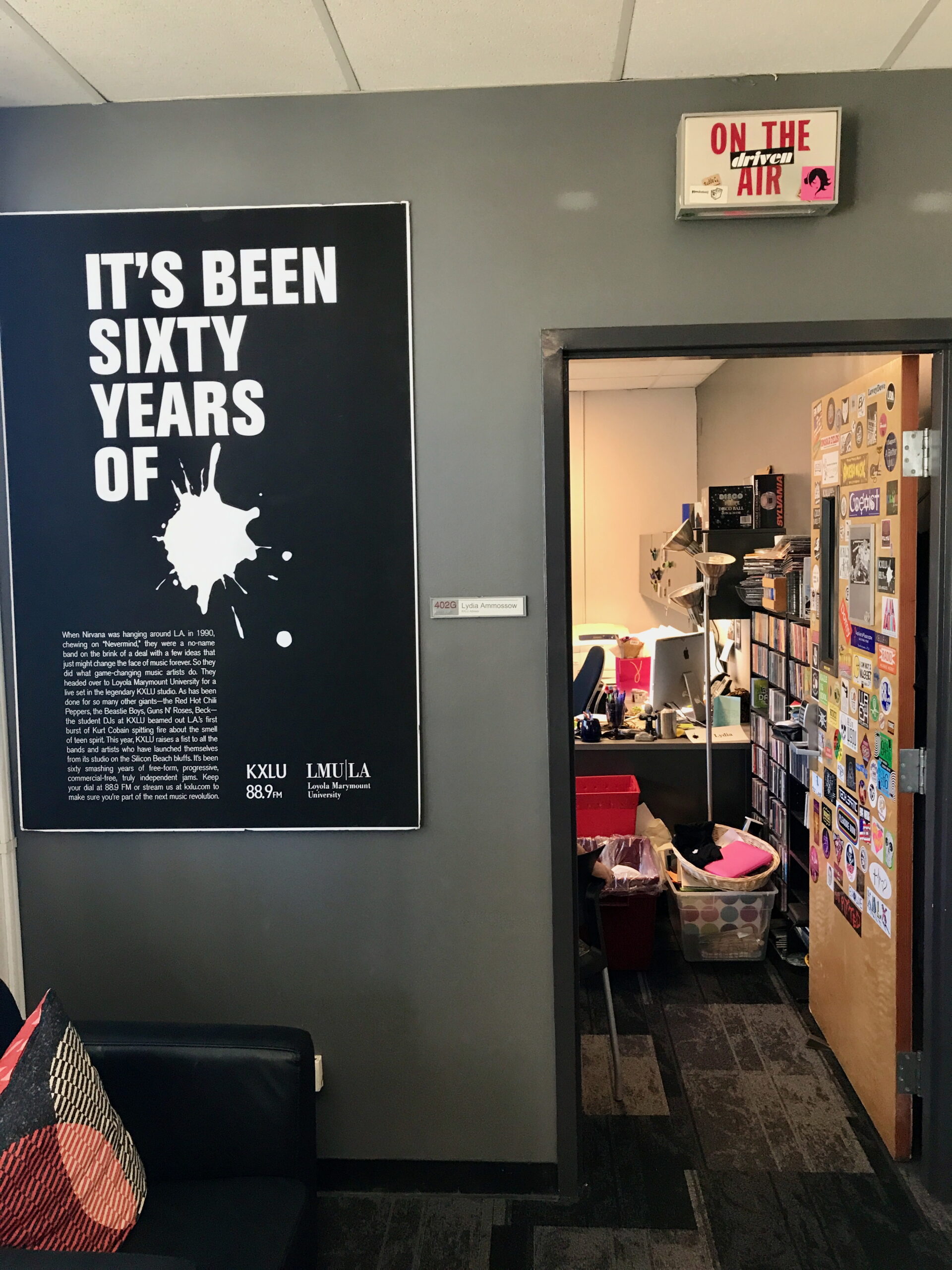
For more than two decades, Lydia has helped steward what makes KXLU distinctive—its independence, its voice, its standards, its soul, and its refusal to become just another polished, predictable, interchangeable product. She has mentored generations of student leaders, strengthened the future pipeline through KLMU, supported longstanding signature programming, and helped ensure that KXLU does not become safer but sharper, more confident, and more itself.
Institutions with this much personality do not maintain themselves. They require leaders who understand that the point is not to sand off the edges. It is to preserve the identity, strengthen the quality, and keep the whole thing alive in a rapidly changing world.
That’s not easy work. But Lydia and Alex Bell don’t really think of it that way—they just do what they do, and they do it remarkably well.
Why Fundrazor matters
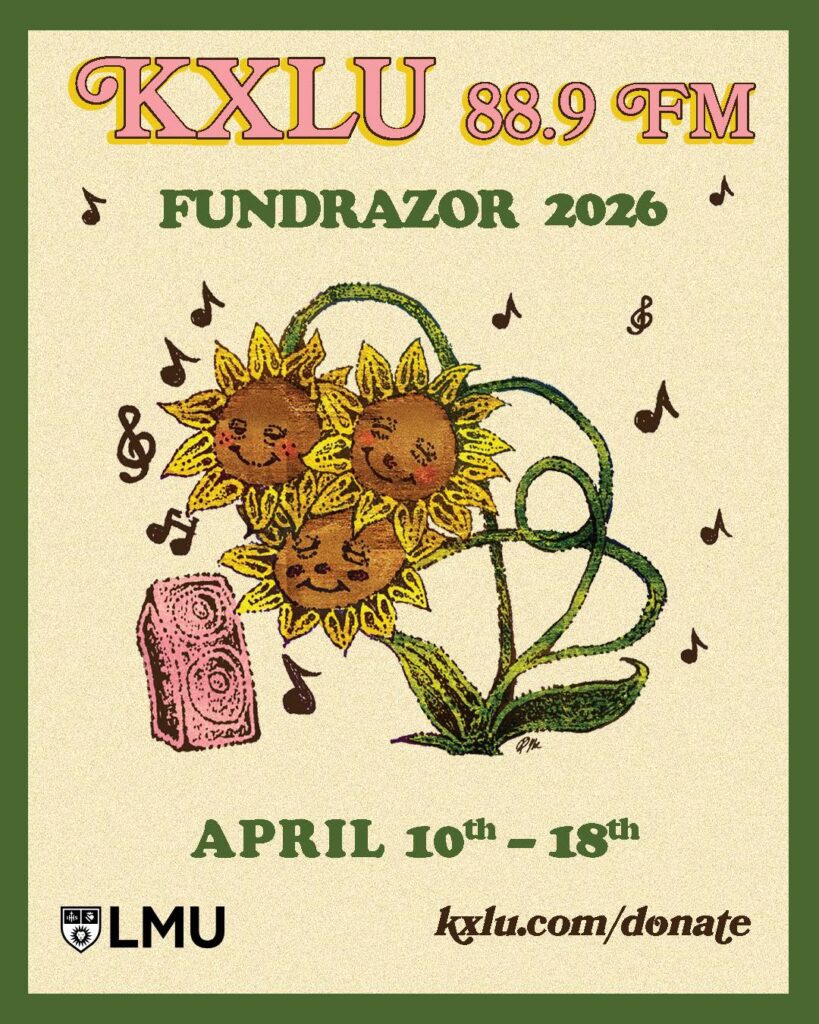
Which brings us to the point.
Fundrazor.
Because none of this exists without it.
KXLU is one of the last truly non-commercial, independent, student- and community-driven stations of its kind. Fundrazor is how it stays that way. It is how the station protects a rare and meaningful form of radio that still believes surprise is a feature, not a bug; that still trusts people over formulas; that still gives artists, communities, and students the space to be more interesting than the mainstream usually allows.
It is how we protect a space where students learn by doing, where artists are discovered early, where communities are built, and where music is chosen by people—not algorithms.
That distinction matters even more now because we live in a world of convenience, abundance, and personalization that can easily masquerade as depth. We can hear almost anything at any time. But hearing more is not the same as discovering well. Access is not the same as curation. Personalization is not the same as relationship.
KXLU offers relationship—and that is increasingly rare today.
And relationship is one of LMU’s great strengths.
It is part of how we teach, how we lead, how we accompany, how we form students, and how we engage the world. KXLU embodies that in a wonderfully concrete way. It is powered by people. It is rooted in voice, personality, judgment, and human connection. Its ripple effects are local, regional, national, and global—but its animating force is still the same simple thing: people sharing something they love with other people.
In 2025, the station’s annual fundraising campaign—Fundrazor—raised approximately $155,000 to support the station’s mission and student scholarships. That is powerful evidence that our listeners understand what KXLU is, what it does, and why it is worth sustaining.
But it will take much more support to ensure KXLU thrives for generations to come. Our ambitions would add another “zero” to that total—building on what is already the highest amount on record.
I support KXLU personally.
And I hope you will too.
Fundrazor 2026 begins today, April 10.
Because when you give to KXLU, you are not just helping keep a signal on the air. You are supporting one of the most original, influential, and joyfully human things LMU does. You are helping protect a station that has shaped Los Angeles music culture, contributed to American music history, welcomed thousands to our campus, reached listeners well beyond Southern California, and—most importantly—formed students in a real broadcast environment where judgment, creativity, responsibility, and voice still matter.
Not bad for a room on the fourth floor.
—John
P.S.
A few things even KXLU insiders sometimes forget:
- A few clips of news coverage that keeps it real: New York Times: “College Radio Keeps Its Cool” | Inside Higher Ed: “The Spirit of College Radio” | NY Times Learning Network: “Would You Want to be a DJ?” | LA Times: “Jesuits Run Radical Rock Station at LMU” | LA Times: “Nationally Known Radio Show Gains Diverse Following” | LA Times: “Alternative’s Return” | LA Times: KXLU Fund-Raiser Razes Roof | LA Weekly: “Demolisten Derby” | LA Times: Eddie Lopez Obit
- Why we do this: Mukta Mohan ’84 told LMU Magazine in “Amped Up” about how KXLU was a big part of why she came to LMU.
- Alma del Barrio has been on the air longer than many of its listeners—and some of its DJs—have been alive.
- KXLU has outlasted formats, technologies, and more than a few “next big things.”
- And somewhere, right now, a future headliner is probably being played on KXLU before anyone else knows the name.

Discover more from LMU COO Momentum Blog
Subscribe to get the latest posts sent to your email.