
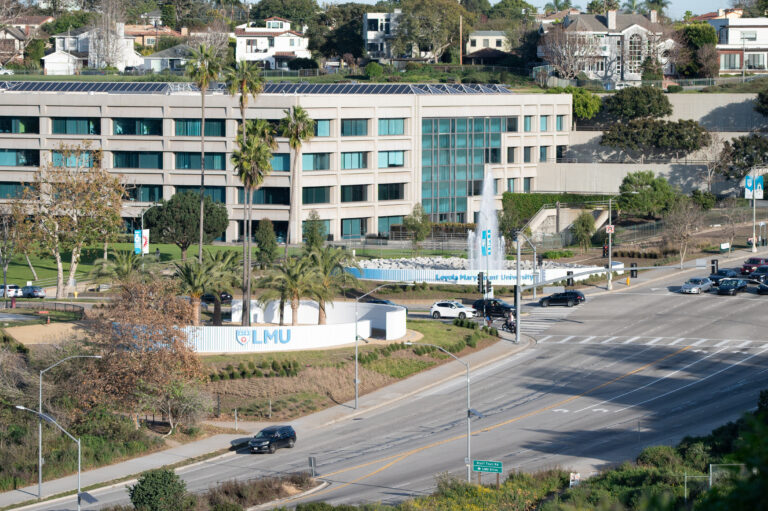
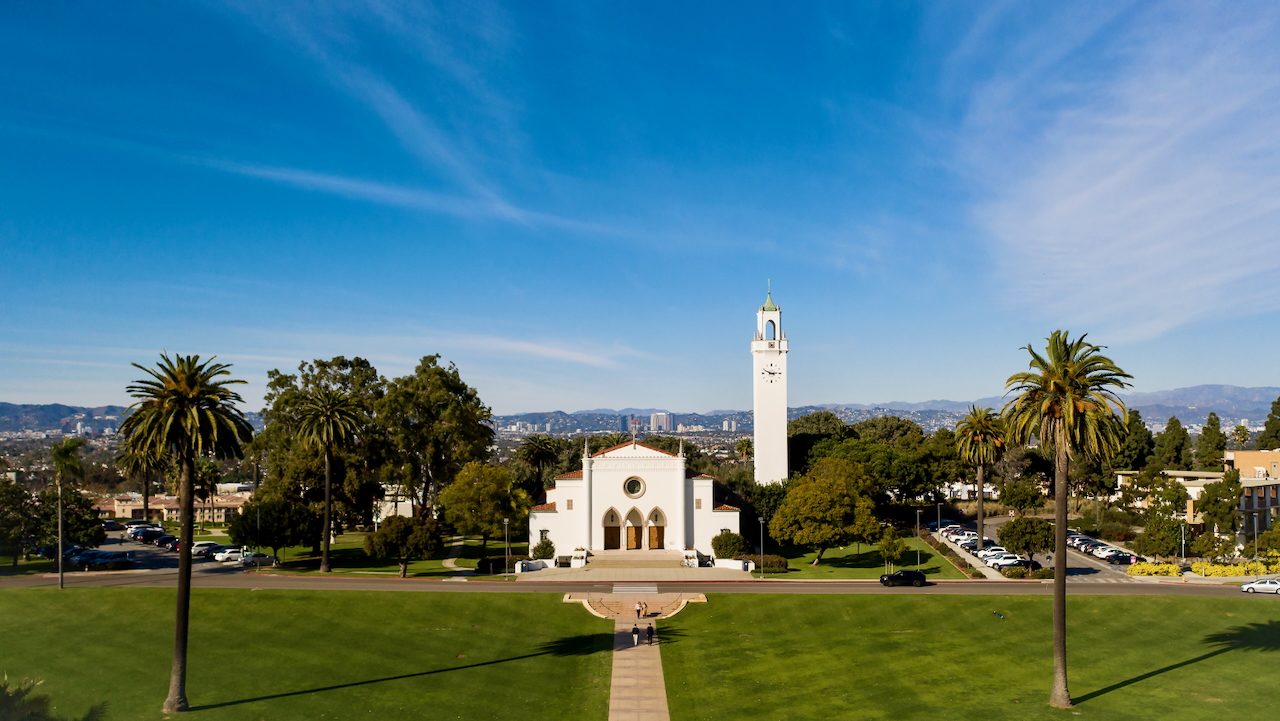
Spring Break is upon us. You may be enjoying well-deserved respite in some far-flung destination, serving others through an Alternative Break (this year, our students are heading to Belize and other sites through the Pam Rector Center for Service and Action), or simply staying close to home to enjoy the glorious weather on what is—according to those who rate universities nationally—one of the most beautiful campuses you’ll find anywhere. For all of us, even those with a regular week ahead: Life is good.
And while you may have switched on your email auto-responder (and I hope you did), the LMU Westchester Campus does not have an out-of-office setting. We’re on a mission—and the work doesn’t pause because our calendars say “break.”
LMU is, of course, a three-campus university:
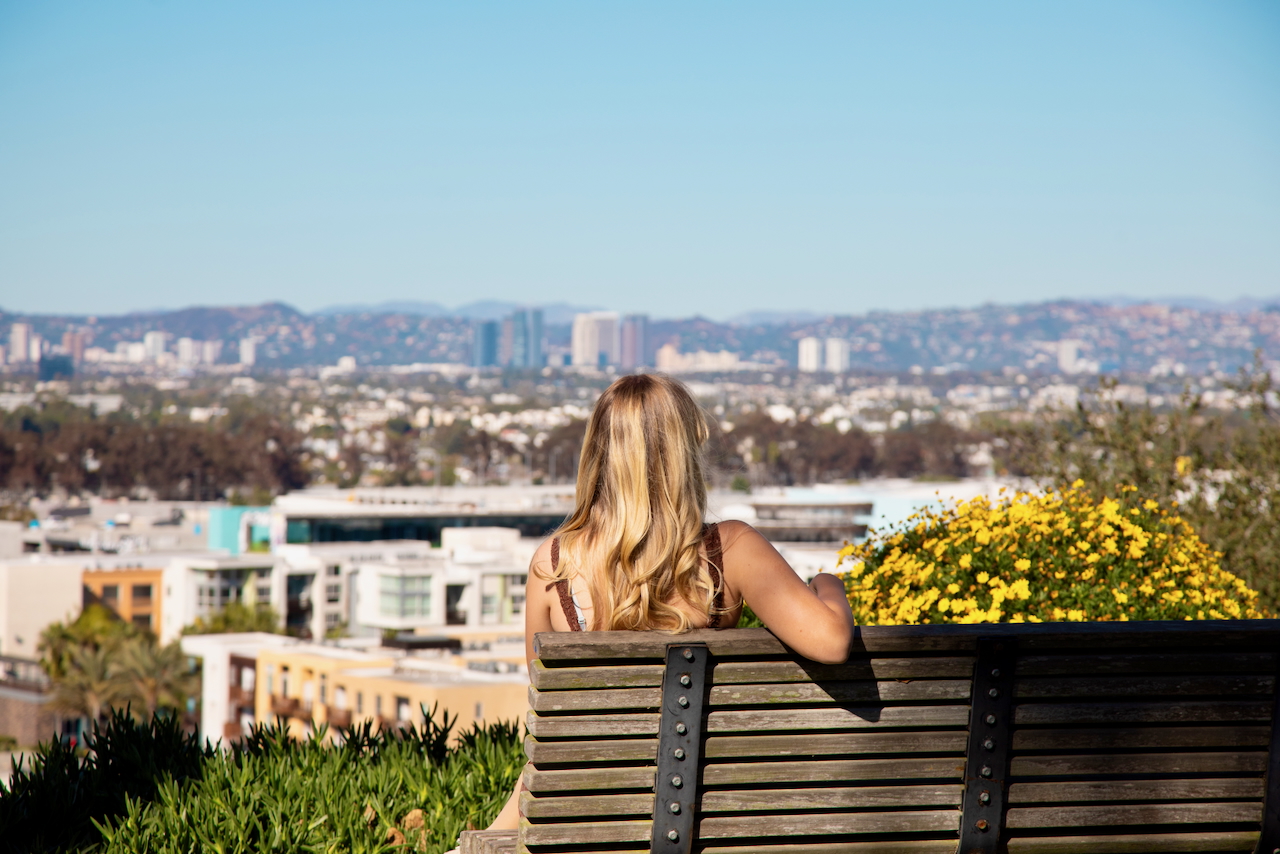
- The LMU Westchester Campus perched on the bluffs overlooking Los Angeles and the Pacific, with views that quietly (and sometimes not so quietly) remind us to aim higher—and to live lives of significance.
- Our LMU Loyola School Campus, ideally situated near the region’s courts and civic corridors in downtown Los Angeles—an urban campus shaped by Frank Gehry, whose work modeled creative vision and boldness. (Architectural Digest recently highlighted his global impact and what his nearby Santa Monica home teaches us about creative risk).
- Our LMU Playa Vista Campus, our creative center for graduate and professional education in the heart of Silicon Beach—where students and faculty mix it up with startups, tech titans, and the ever-moving frontier of technology and creativity.
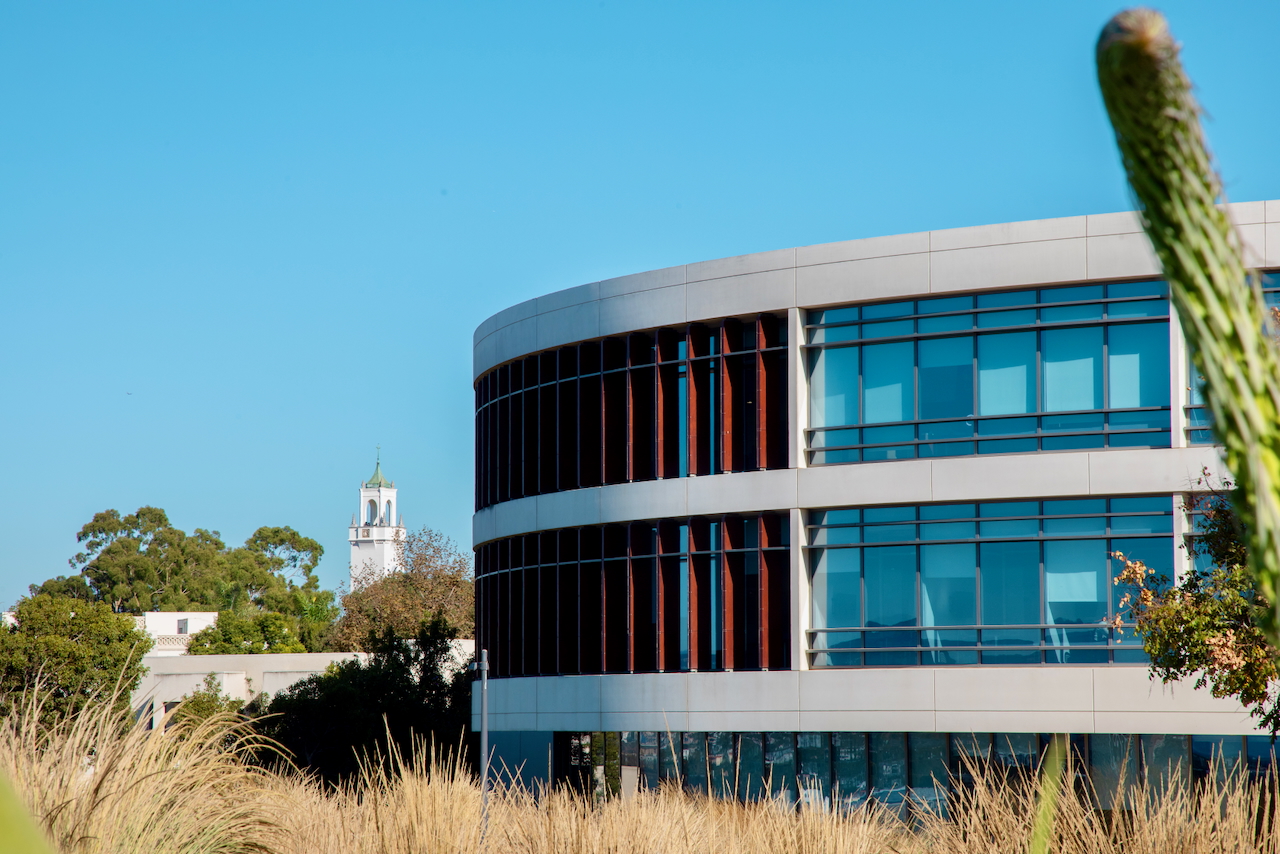
We also maintain dozens of off-campus properties that support our academic and community life. But for this update, I’m focusing on Westchester: 142 acres, 66 buildings, and more than 2,800 trees—in other words, a small city on a bluff, kept running by a remarkable team that’s on duty around the clock.
And we’re not just maintaining it—we’re continually thinking about how these spaces should evolve for the future.
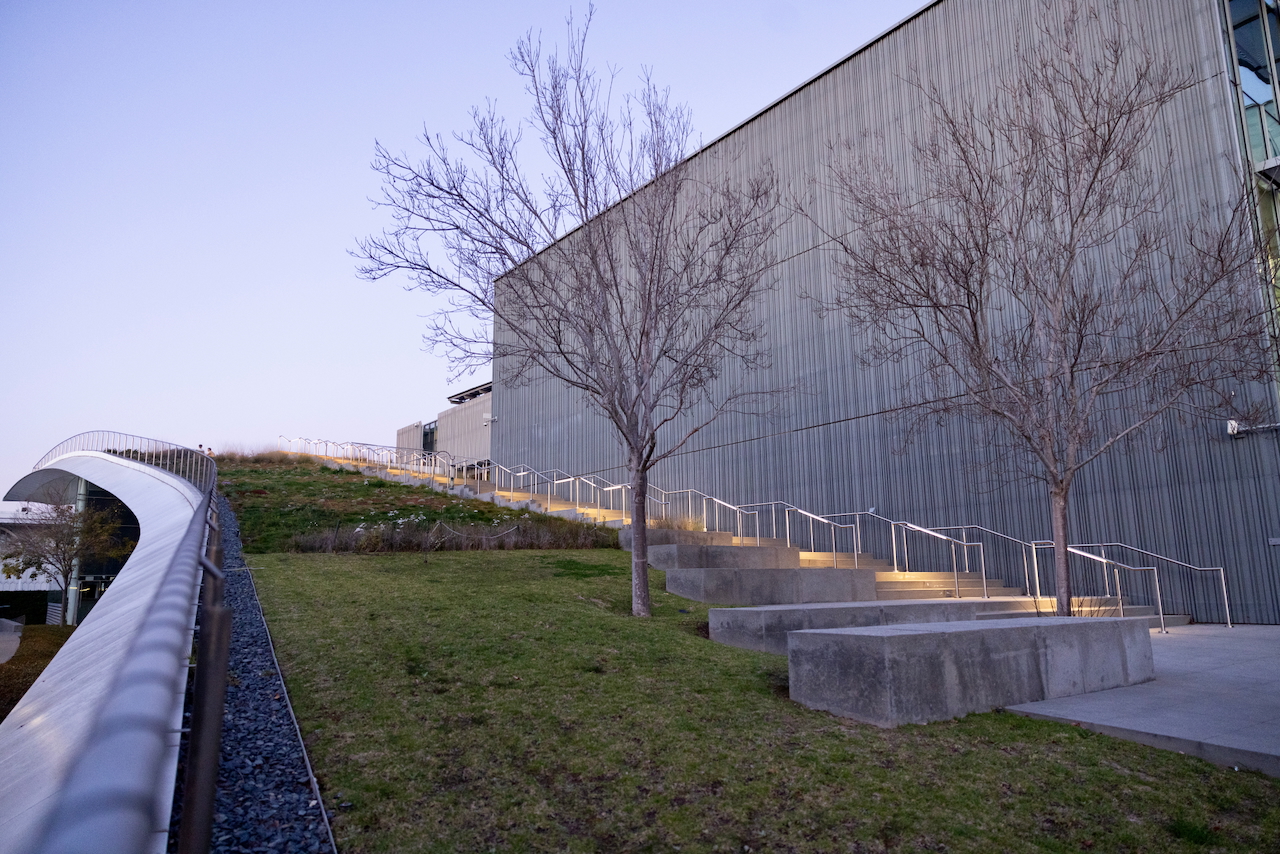
The work you don’t see (until you do)
When I was a student, I lived in several buildings, starting with Whelan Hall for a couple of years. Something happens when you actually live here—the place gets into your bones. You begin to understand the campus’ cycles and moods. I remember those odd hours when I’d be walking across campus way too early (or, let’s be honest, way too late).
And no matter what time it was, someone from Facilities Management was working—quietly, carefully, faithfully—making sure LMU was ready for another day.
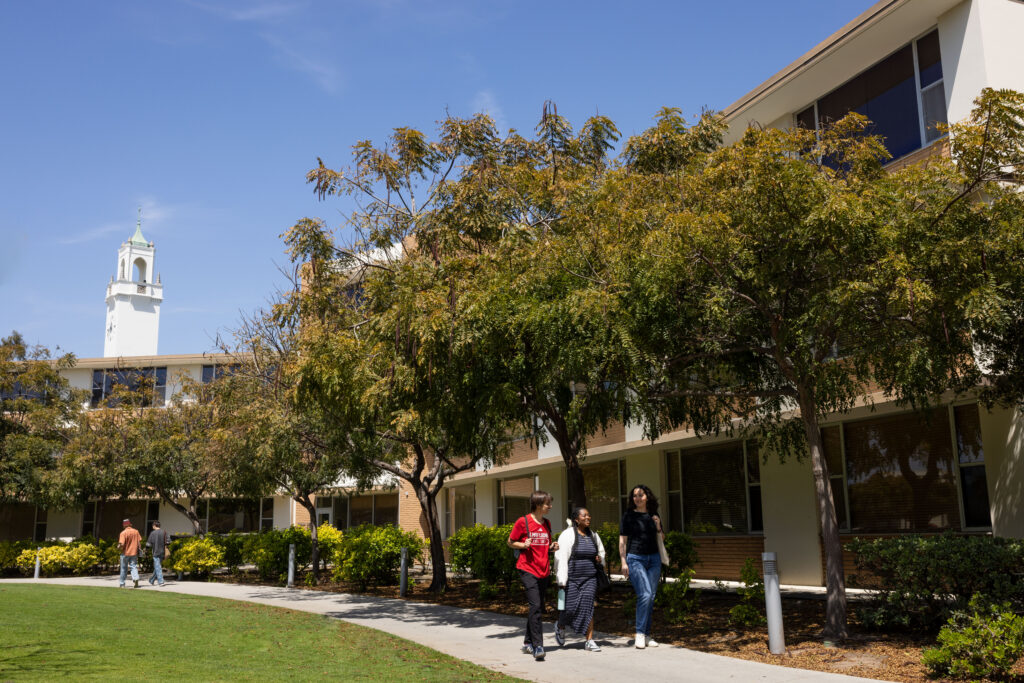
I was reminded of that again when I moved my daughter into Desmond in 2024. Some things have changed dramatically (Student Affairs has really stepped up to support families with the move-in experience, for example). Other things, like a few vintage buildings we inhabit, haven’t changed enough (but we have a plan!).
A door, a bridge, and a satisfying “whoosh”
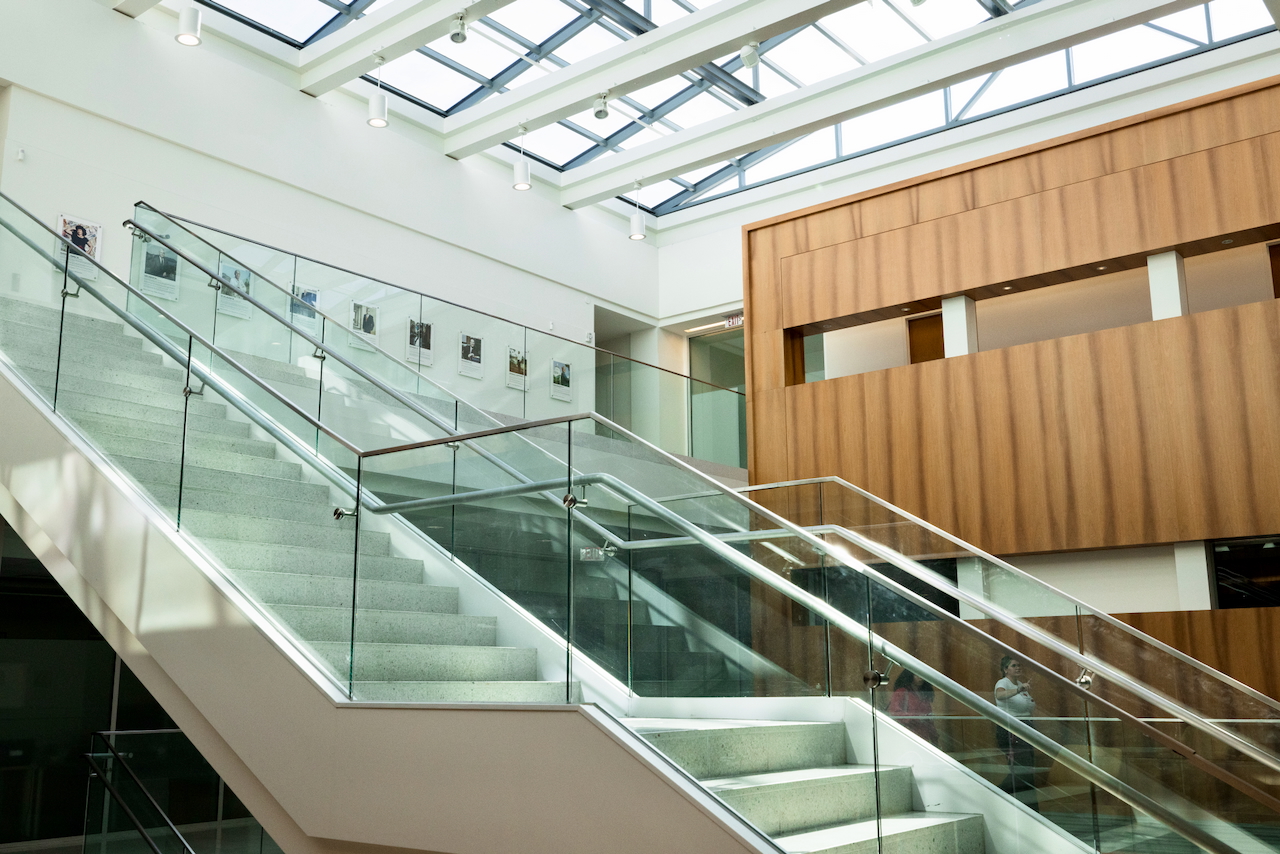
One small example of behind-the-scenes work is the new University Hall doors at the LeVecke Bridge entrance.
They now open with supermarket precision.
No tug. No shoulder-check. No awkward shuffle while someone behind you pretends they didn’t just watch you wrestle with a door (oh sure, you have no idea what I’m talking about).
They glide. They sense. They cooperate.
And beyond the minor miracle of automatic doors actually opening automatically, this is an accessibility improvement—one more way we’re making the journey into University Hall more inviting for everyone.
That’s what a lot of facilities work looks like when it’s done well: it disappears into the background… and your day gets just a little smoother.
Some believe that when the campus gets quiet, nothing happens. But in fact, when campus gets quiet, everything happens—in hard hats, behind doors you don’t normally open, and in mechanical rooms no one Instagrams.
“Invisible by design”… most of the time
The best facilities work is often the work you barely notice—until something doesn’t work. Or until we need to remodel or build something, and we all see, hear, and feel the inconvenience.
And yes, it can be disruptive. Not because our team wants it to be, but because the systems are complex and they serve thousands of people.
The escalators in University Hall are a clear example. The fix can’t come fast enough—and as I mentioned before, this project is underway with updates forthcoming.
Another: the hot water issues we wrestled with last semester for some residents. Resolving that required months of underground “detective work” to locate the problem and fix it. We got it resolved—but not without disrupting some residents along the way, which we always regret.
But when it mattered most, the facilities team jumped in. Emergency boilers were installed at three locations, each with their own propane tank. Not pretty. Not elegant. But when you need hot water, aesthetics become secondary quickly. Life happens, and we always figure it out.
What got done when campus got quiet
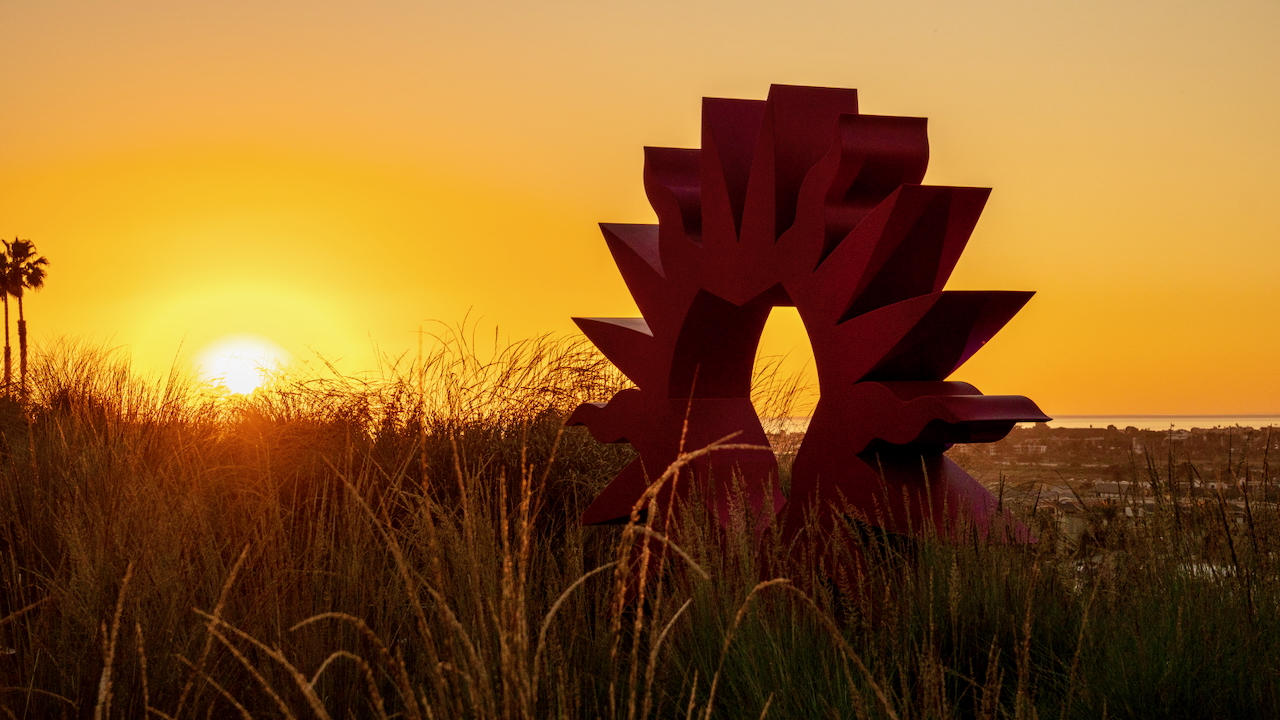
Spring Break is one of those moments when campus looks quiet—and that’s exactly when a lot of work gets done.
The same was true over the holidays. While many of us were home, our crews were here—moving projects forward that improve daily life in ways that range from highly visible to completely hidden.
Here are a few examples of improvements we completed on the LMU Westchester Campus:
- Murphy Recital Hall: new seating and new flooring.
- William H. Hannon Library: a new classroom with tech upgrades.
- University Hall: construction of a new academic support space.
- Hilton: Installation of innovative new digital signage and upgraded tech in Hilton 100 event space.
- Mechanical systems: preventive maintenance on HVAC equipment (including cooling towers and chillers).
- Fire and life safety: repairs and upgrades—including a new fire alarm system in St. Robert’s Hall.
- Elevators: continued modernization, including updates in Seaver Hall.
- A/V refreshes: Six classrooms received updated a/v tech
- Mayer Theater: upgraded to 4k laser technology.
- Seaver 100 and 200: all new glass boards to replace 20th-century chalkboards.
- Grounds: pavement repairs that address wear and improve walkability.
None of this is flashy. That’s the point. We do as much as possible before the moment demands it.
Stewardship includes trees (and storms)
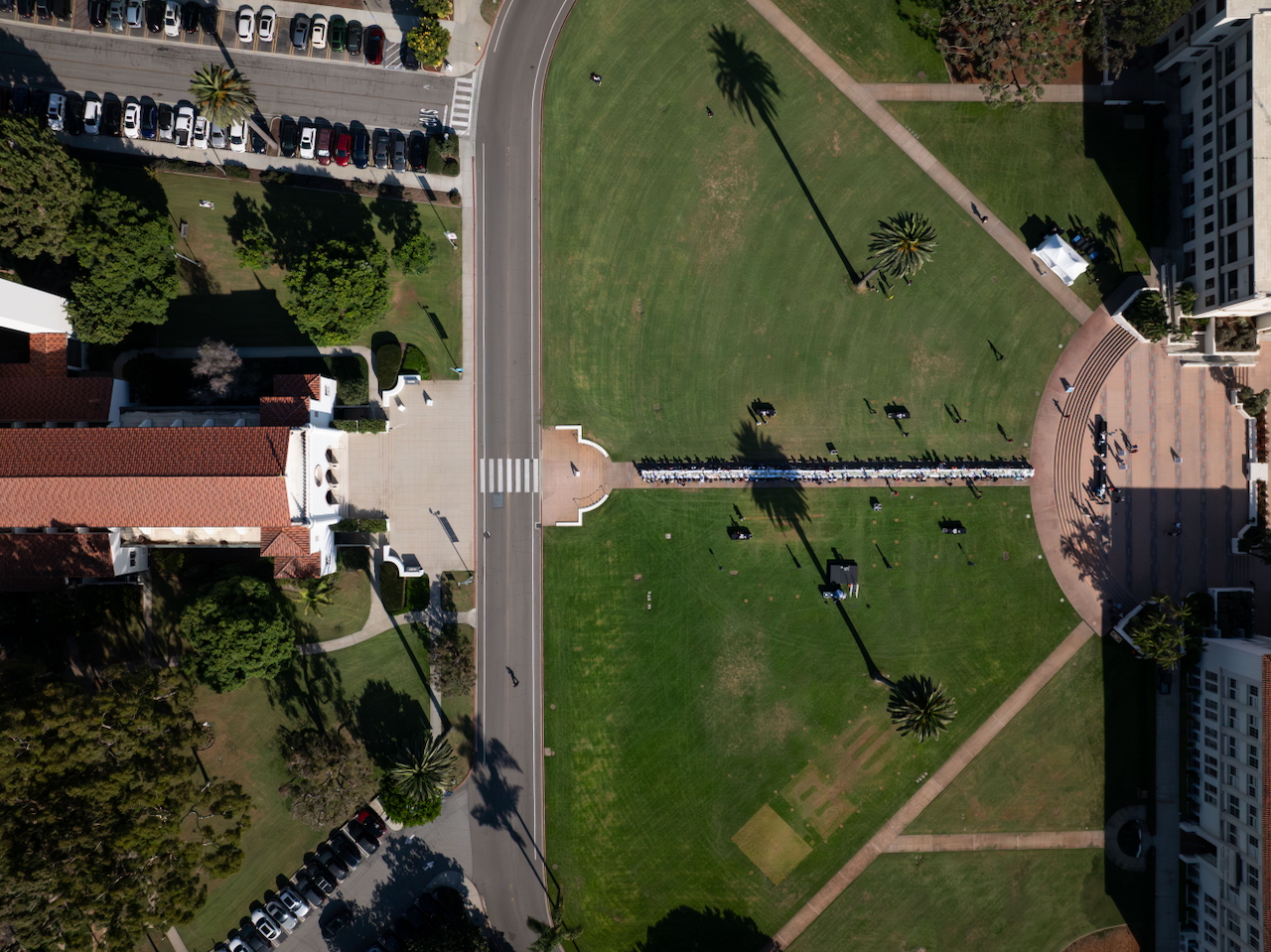
If you walk by the University Hall flagpoles, you’ve probably noticed a youthful new resident.
The previous coral tree was struggling. For years, we worked with arborists to save it. But it was too diseased—and it had become a safety risk. We installed wired braces to keep it around longer. But it was still falling apart. No one likes replacing a mature tree. But stewardship sometimes means making hard calls to keep us safe. So we now have a younger coral tree gracing the entrance to University Hall.
As I mentioned, our main campus is home to more than 2,800 trees—and many acres of plant life. Which means storms aren’t just “weather.” They’re work. In the most recent storms, we lost seven trees—some of them large. And that same morning, our team was out there cutting, clearing, and removing debris so the campus could function again.
Think theme-park precision: the gates have to open, no matter what happened overnight. They were sweating the details so the rest of us didn’t have to.
Sacred Heart Chapel: beauty, history, and access
We recently refreshed the interior of the Sacred Heart Chapel—and we’re also making accessibility improvements. That included improving access in the sanctuary; next we will address the exterior entry stairs and a more accessible entrance—all while preserving the architectural treasure that is the chapel.
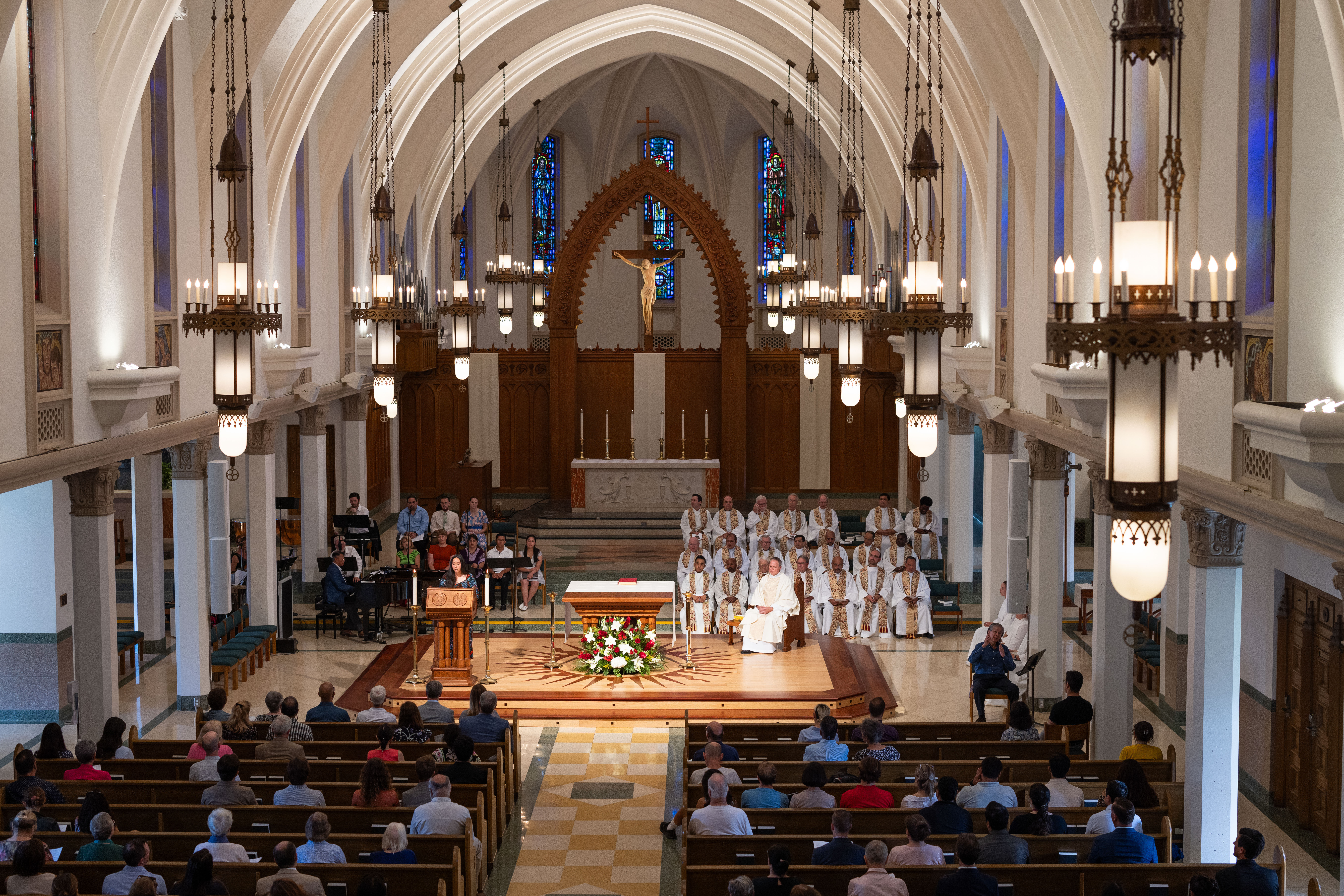
These changes are not accidental. They’re part of an intentional effort to make our campus more inclusive in every way. The university will soon share more about the accessibility improvements we’re making later this semester.
The bluff letters: slower with purpose
Let’s talk about the LMU letters.
I miss them. And I know you do too.
This is not just another “sign” project. It’s a bluff stabilization project.
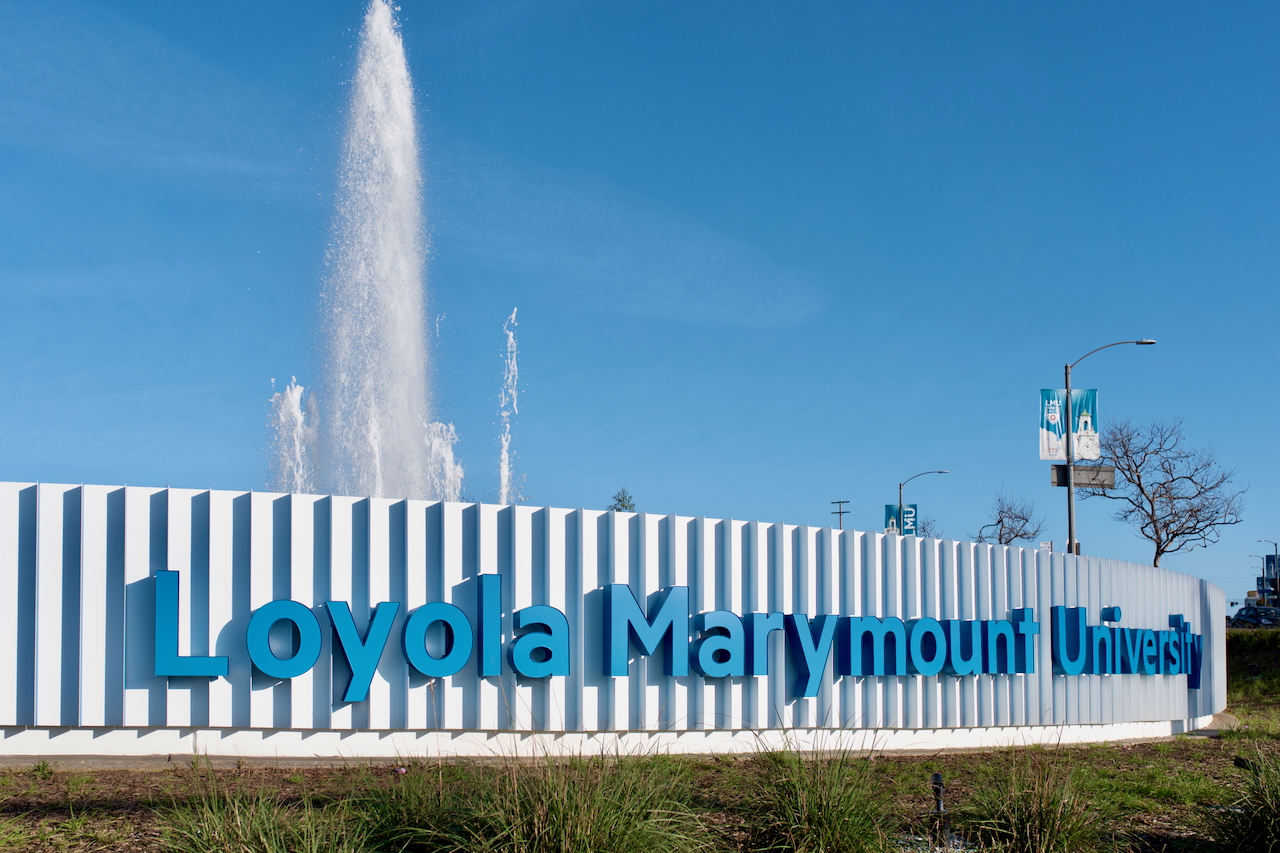
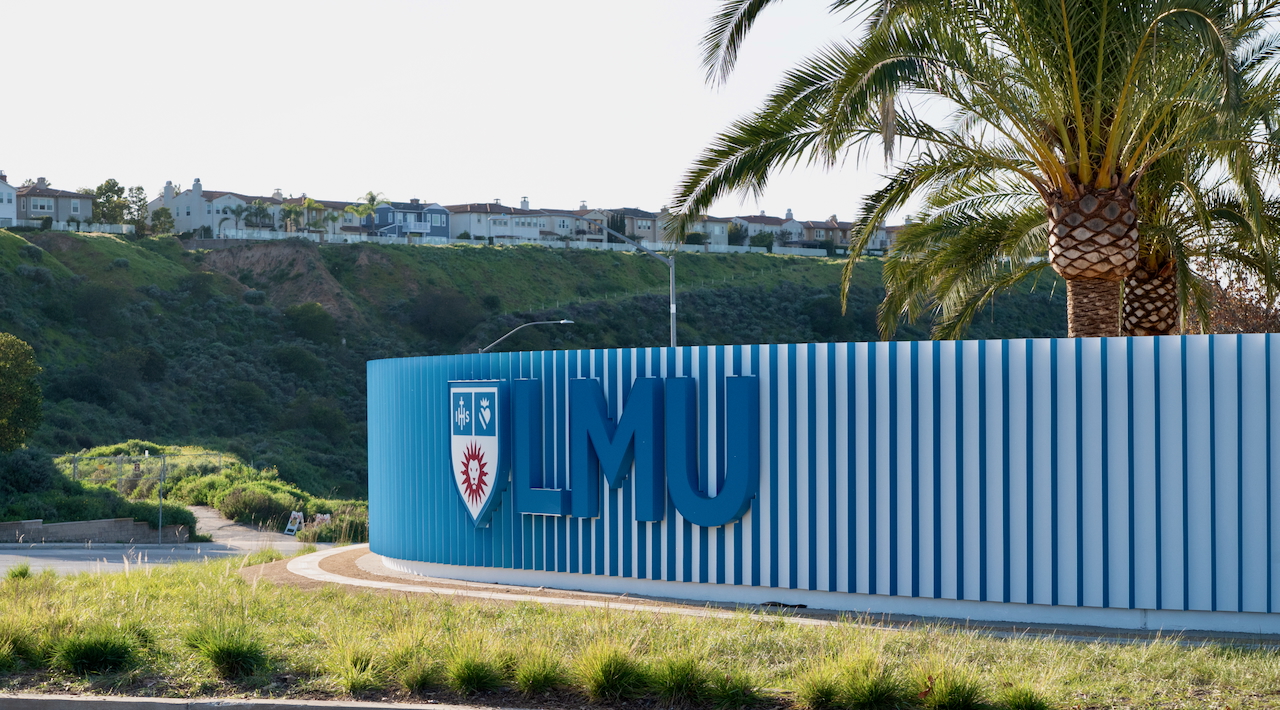
(And a quick aside on what was a signage project done right: does your pride swell when you pass by the new entrance signs? It makes me smile each morning when I drive onto campus. And we’ll soon be decommissioning the non-functioning helipad at the front entrance, replacing it with even more green space in that area.)
Our work on the bluff has been multi-phase: remove the letters, stabilize the slope, re-tarp as weather shifts, and keep moving the permitting and engineering work forward. It can look slow from a distance, but that’s often what “doing it right” looks like.
The city has recently approved designs for the replacement letters—and remember, the “L” is a historic landmark. We’re moving ahead. A key part of the long-term plan is that we need deep-rooted native vegetation to strengthen the hillside, control erosion, and enhance slope stability before rebuilding the letters. And to be blunt: roots take time. When that growth is sufficient, we will begin pouring foundations and bring our bluff side gem to life once again.
We’re building the new letters to last for generations—for the next 100 years. Fun fact: did you know our letters (50 feet tall) are taller than Hollywood’s (at 45)?
And the way we work has changed. When I was an undergraduate, volunteers slid down the hill with paint buckets for touch-ups. It was a different era. People also resisted seatbelts and car seats. Extra steps? Yes. Worth it? Absolutely.
We’ve learned. We plan differently now. We engineer. We permit. We prioritize safety—for the people doing the work and the community below.
What’s next: Spring Break (and beyond)
Spring Break will bring more behind-the-scenes work—some routine, some strategic, and some aimed at quality-of-life improvements you’ll feel when you return.
Spring Break
- Connecting of new drainage pipes from the Palm North sidewalk to the main drain line (impacting pedestrian traffic and a portion of Rosecrans Lane)
- Installation of a new pedestrian pathway near the LMU Drive entrance
- Installation of new bollards at the entrance of University Hall P2 parking
- Installation of a new storm drain line on Loyola Boulevard
Ongoing planning for infrastructure upgrades (including drainage and electrical stations) that keep the campus resilient in all seasons.
After Spring Break
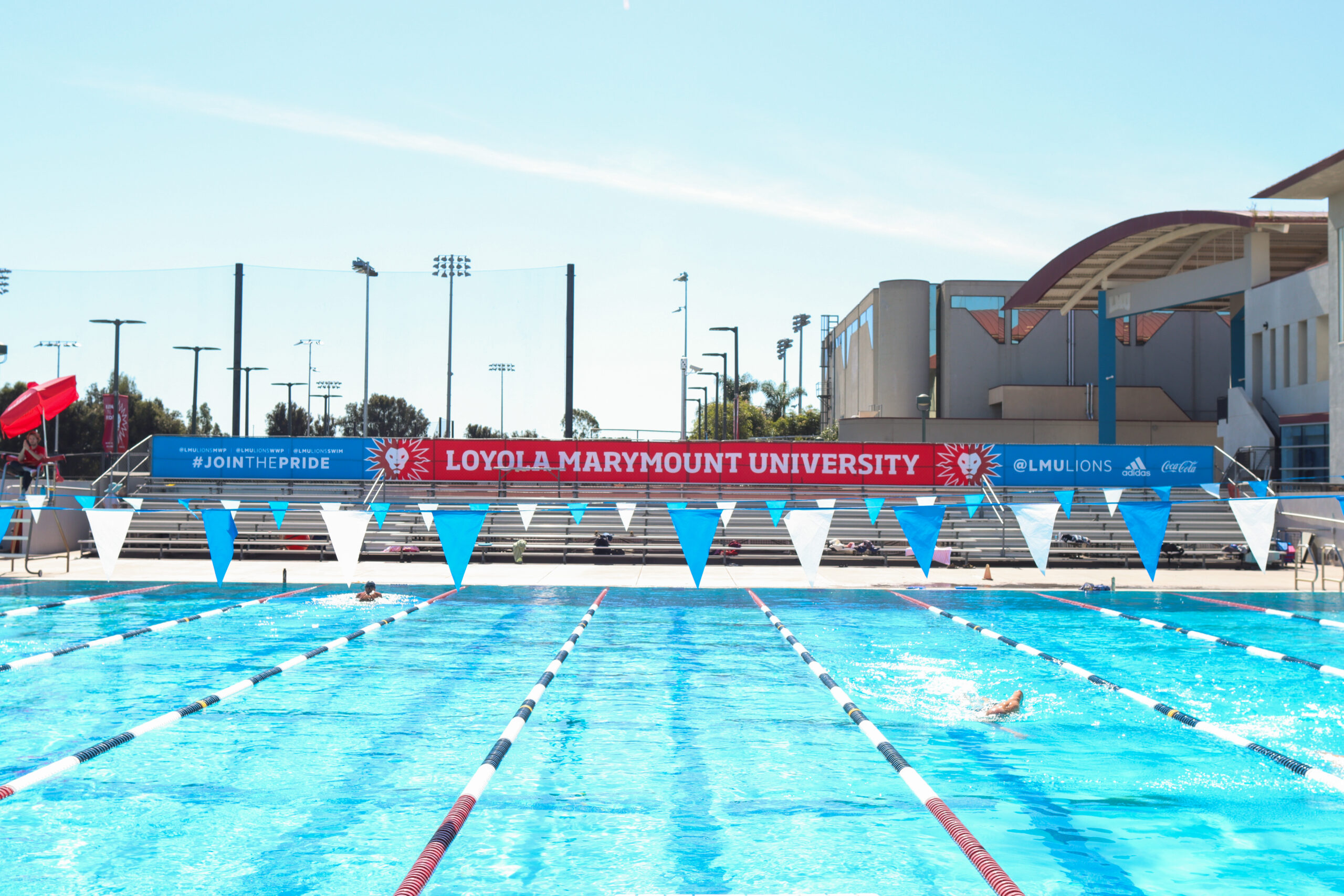
- A refreshed pool deck at Burns Recreation Center.
- Continued work to improve accessibility across campus.
- Improved learning environments to upgrade a/v technology in 18 existing learning spaces and the creation of one new general-purpose classroom in University Hall.
- Ongoing planning for infrastructure upgrades (including drainage and electrical stations) that keep the campus resilient in all seasons.
- The reimagining of the Lair with our new food services partner, Aramark. If you’re an alum, you may remember it as Saga, Marriott, or Sodexo—and you may remember what students claimed “SAGA” stood for. We’ll share more about this exciting renovation later in the semester.
And while many of you will be traveling, resting, or recharging, our men’s and women’s basketball teams will be heading to Las Vegas for the WCC Basketball Tournament. So whether you’re on a beach, on a plane, or in the stands in Vegas—know that campus is still in motion.
Because when the physical environment functions well, our community can focus on what matters most: teaching, learning, living, creating, service, and formation.
So enjoy Spring Break. Cheer loudly for the Lions in Vegas. And when you return, know that this place kept moving forward—even while you were away.
Momentum isn’t always loud.
Sometimes it’s a door that opens exactly when it should.
Go Lions.
—John
P.S. We produced this video almost six years ago, and it’s still one of my favorites—beautiful message and showcases our home, always bringing us back together.
Discover more from MOMENTUM COO Blog
Subscribe to get the latest posts sent to your email.