
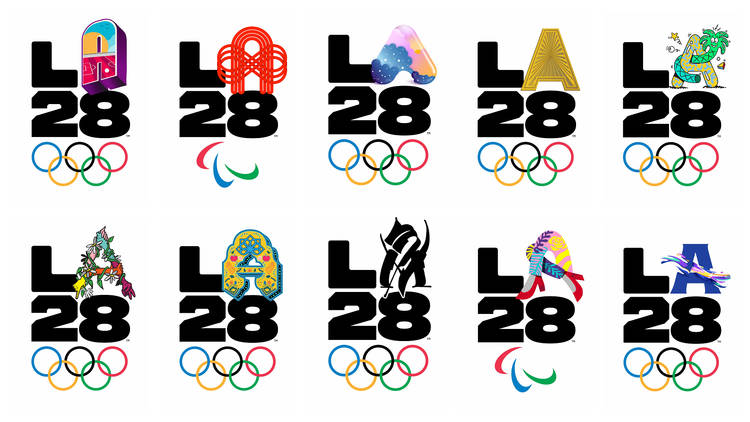
Let’s start with the Paralympics—and why it matters
About 30 years ago, one of the most formative and life-giving experiences I’ve had at LMU was coaching in the LMU Special Games.
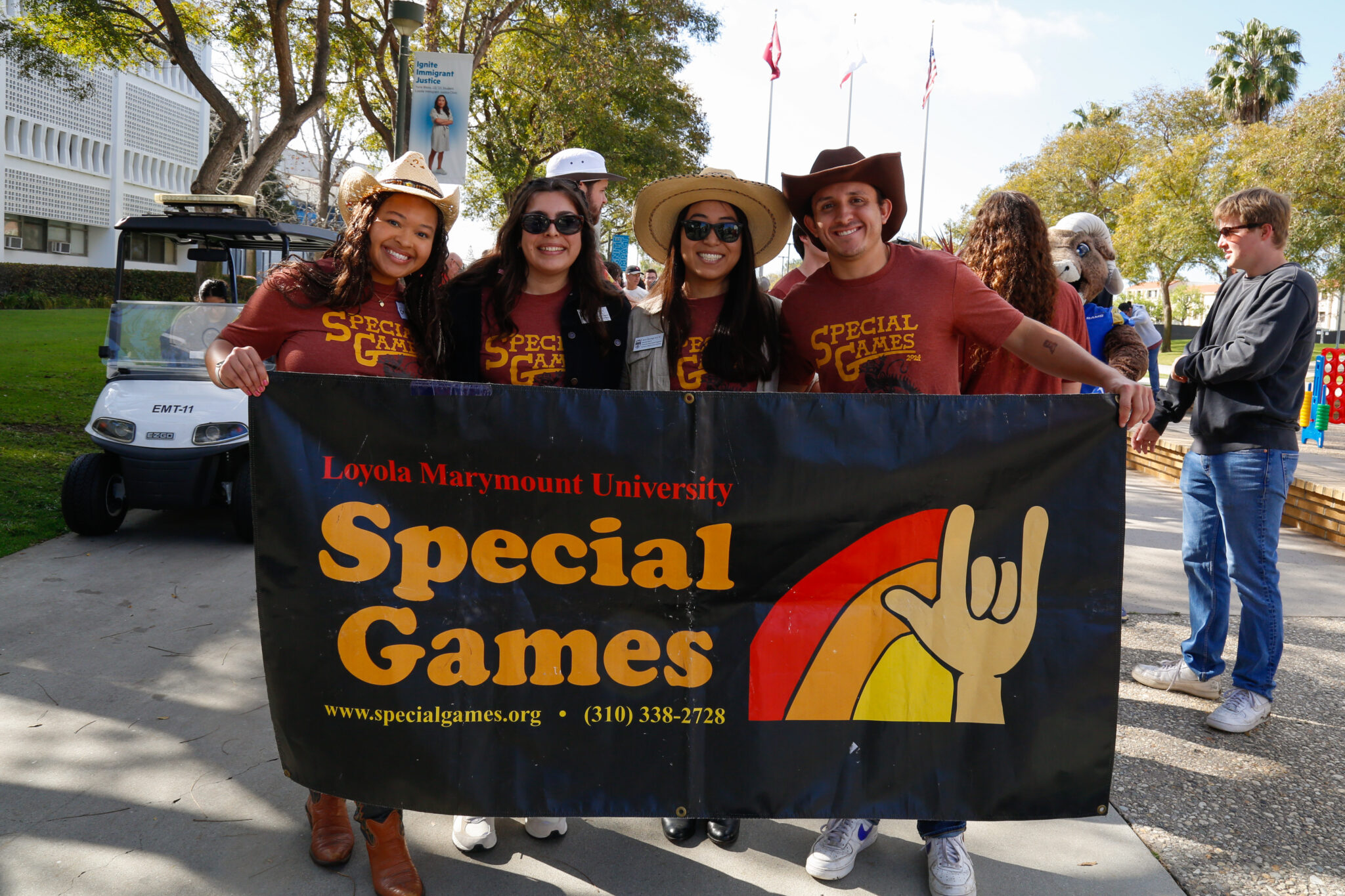
As I practiced and prepared for “Big Day” with my athlete, I learned far more than I expected about patience, trust, and the extraordinary bond that forms when an athlete and coach commit fully to one another. I learned what it really means to meet someone where they are, to celebrate effort over outcome, and to recognize that excellence shows up in many forms.
Most of all, I discovered something simple and enduring: we are stronger together.
That experience stayed with me. It shaped how I think about LMU and what access looks like in practice.
For many years, LMU has hosted the Special Games, reflecting a commitment to dignity, inclusion, and participation. It’s part of who we are.
While the Special Games and the Paralympic Games are fundamentally different, both speak to the importance of access. The Paralympics have long been a central part of the Olympic movement, and their role in LA28 is foundational, not symbolic.
That commitment to access matters deeply at LMU—and it connects directly to one of President Poon’s focus areas following his inauguration.
The Paralympics expand access to elite sport for athletes with disabilities at the highest competitive level—along with access to visibility, legitimacy, fair competition, identity, and belonging.
As planning continues, we’ll share more about LMU’s specific role in supporting Paralympic preparation and engagement. And when we do, we’ll approach it with the same care, respect, and intentionality that have defined Special Games at LMU for decades.
With that in mind, here’s the broader LA28 story—and where LMU fits.
LA28 + LMU

Los Angeles is about to do the most Los Angeles thing imaginable: host the Olympics. Again.
If “LA28” has been popping up everywhere lately—at the airport, on banners, in meetings that were supposed to be about something else—you’re not imagining it.
A quick grounding fact: Los Angeles will host the Olympic Games for the third time (1932, 1984, and now 2028) and, for the first time, the Paralympic Games. More than 15,000 athletes, 800+ events, and venues spread across the region—from the Coliseum to Dodger Stadium to SoFi Stadium, which will somehow become the largest swimming venue in Olympic history.
Here’s the part that makes me smile: LMU isn’t just near the Olympics. We’re where Team USA will train to win. In a recent article in The Loyolan, we confirmed what President Poon announced in his presidential inauguration speech: LMU is partnering with USOPC (US Olympic and Paralympic Committee) and will be home to Team USA’s High Performance Center for the 2028 Olympic and Paralympic Games. And we’re cooking up opportunities for engaged, hands-on opportunities for students, faculty, and staff as we play an essential role in Olympics. Again.
Quick Rewind: Gersten Pavilion, 1984 (yes, really)
We’ve been here before. Before SoFi. Before LED everything. Before anyone talked about “fan experiences.”
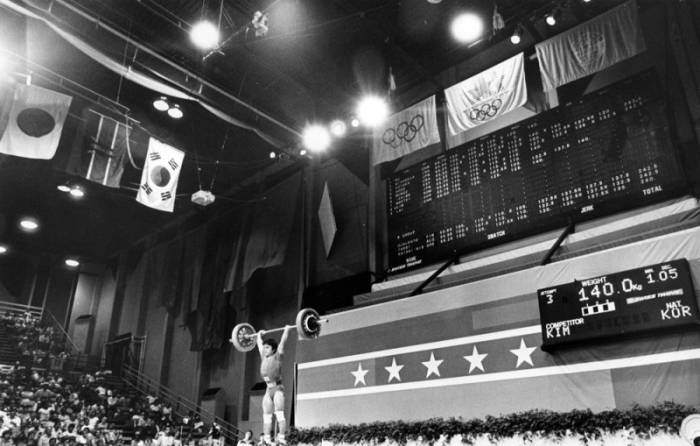
In 1984, Gersten Pavilion hosted Olympic weightlifting.
This is the same building where you’ve watched LMU beat our rivals, seen presidential hopefuls work a crowd, and watched the world’s strongest athletes compete on a global stage. The 1984 numbers are worth pausing on: 186 competitors from 48 nations, the largest field in Olympic weightlifting history at the time, competed at Gersten.
What’s often forgotten is that Gersten wasn’t retrofitted at the last minute. When Los Angeles was awarded the Games, LMU was still designing the building and worked directly with Olympic planners to ensure it could function as an Olympic venue.
And because this is LMU, our contribution didn’t stop at the competition floor. When international delegations were delayed or stranded at LAX, the university quietly stepped in—shuttling athletes to/from campus and providing overnight accommodations until logistics were resolved. (We were called upon to do this again during the 2015 Special Olympics World Summer Games, too.)
Fast forward to LA28
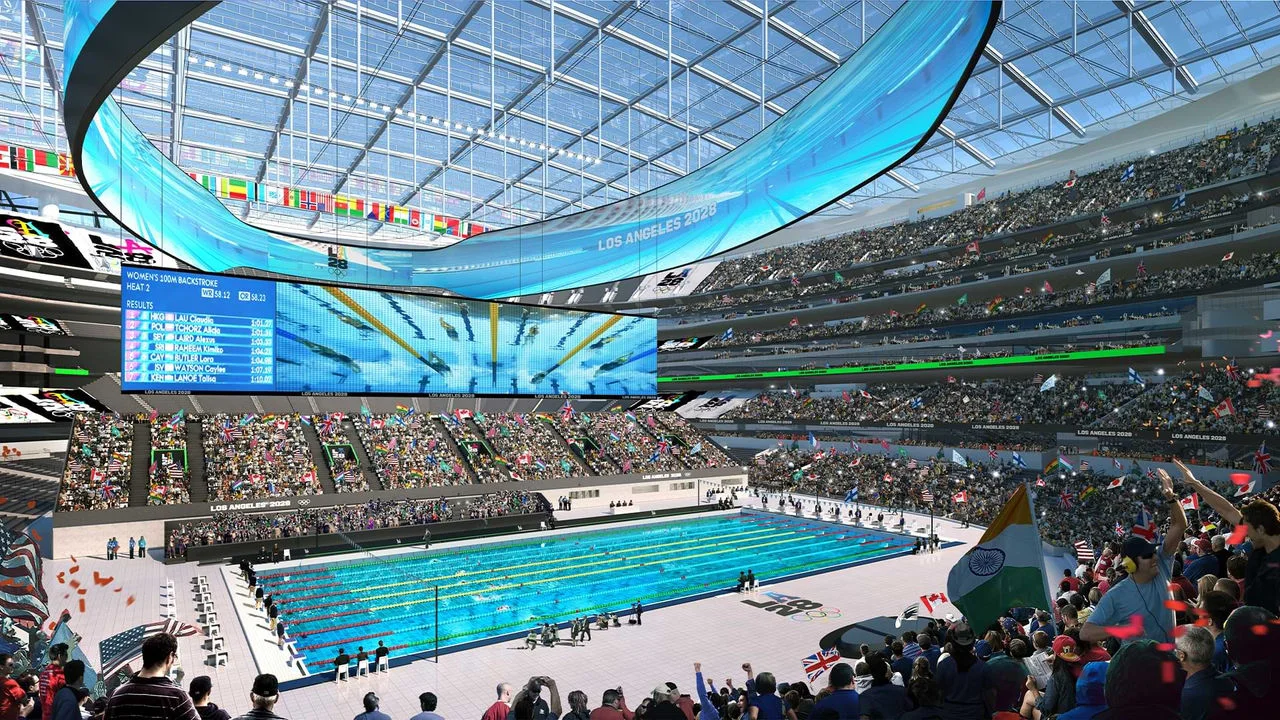
In 2028, five new sports are being added—flag football, cricket, lacrosse, squash, and baseball/softball—and competition will stretch across the region, treating Los Angeles itself as the stage. This time, the Paralympic Games are integrated into the moment.
And once again, LMU will play a different role, one that’s arguably even more consequential.
During his inauguration address, President Thomas Poon spoke directly about the need for LMU to be more intentional about partnerships—relationships that extend our reach beyond the Bluff, expand access to opportunity, connect our academic mission to the world around us, and place LMU in the flow of major civic, cultural, and global moments.
Our partnership with the Olympics is a direct expression of that call.
What LMU Is Doing in 2028
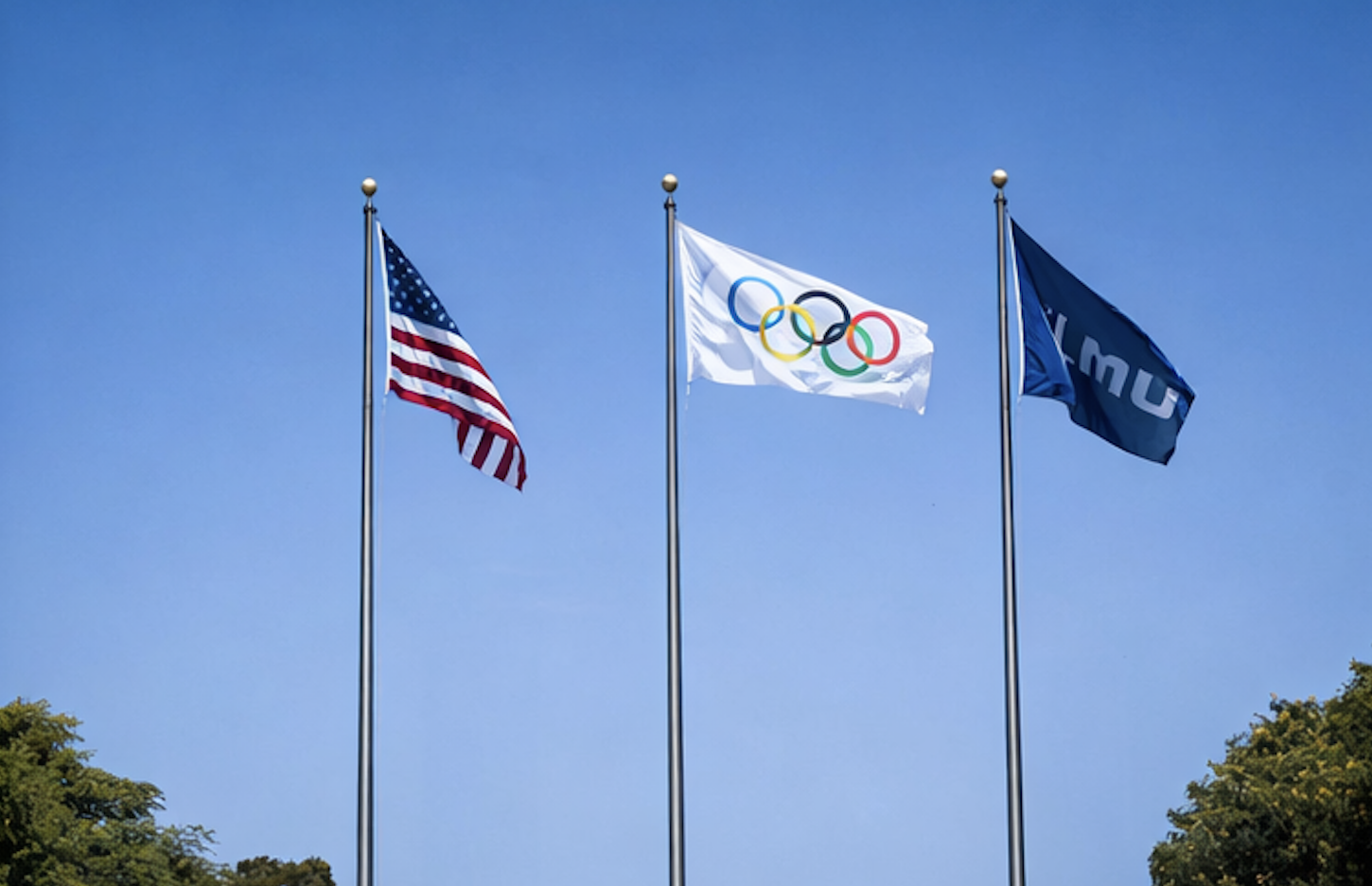
As Team USA’s official high-performance training and recovery center for the 2028 Olympic and Paralympic Games, LMU is central to the LA28 story. The difference this time is that we’re not a single-purpose venue—we’re a comprehensive support ecosystem for the nation’s athletes.
This isn’t about one building or one facility. It’s a collective campus effort, bringing together people, places, and expertise to support elite preparation at the highest level. As these plans continue to take shape, we’ll share much more about how the LMU community can participate, learn, and contribute to this work.
In the summer of 2028, our campus will become a focused home base where America’s best athletes can:
• Train with their personal coaches
• Access medical, recovery, mental health, nutrition, and performance services
• Prepare—mentally and physically—for the most consequential competitions of their lives
Elite performance doesn’t magically appear under stadium lights. It’s built—day after day—in places that are disciplined, trusted, and capable of operating without distraction.
That’s the role LMU is playing.
LMU and the Olympics: It’s Not Just Buildings
LMU’s connection to the Olympic Games isn’t confined to facilities or partnerships. It runs through people, and it runs deep.
Across decades and disciplines, LMU alumni have competed on Olympic stages around the world, including:
- Paul Sunderland ’75 — Olympic gold medalist, men’s volleyball (1984, Los Angeles)
- Sarah Noriega ’98 — Olympian, women’s volleyball (2000, Sydney)
- Reid Priddy ’00 — Four-time Olympian; gold (2008, Beijing) and bronze (2016, Rio) in men’s volleyball
- Jeff Stevens ’06 — Olympic bronze medalist, baseball (2008, Beijing)
- Claire Wright ’18 — Olympian, women’s water polo (2020, Tokyo), representing Canada
- Yanah Gerber ’24, M.S. ’25 — Olympian, women’s water polo (2020, Tokyo), representing South Africa
LMU coaches have contributed at the Olympic level as well:
- Agustín Moreno, P ’22 — Head coach, Mexico women’s tennis (2020, Tokyo)
- Tairia Flowers — Assistant coach, Team USA softball (2020, Tokyo)
- Brian Thornton — Assistant coach, U.S. men’s indoor volleyball (2020, Tokyo)
Different sports. Different decades. Same throughline: Hope, Made Here—on the world stage.
Leadership Behind the Scenes
There’s another part of this story that matters.
Los Angeles’s Olympic legacy doesn’t just live in stadiums—it lives in what happens after the Games. Much of that work is carried forward by the LA84 Foundation, which reinvests the surplus from the 1984 Olympics into youth sports and access across our region. That foundation is led by CEO Renata Simril, an LMU alumna and former Chair of LMU’s Board of Regents—a reminder that LMU leadership has long been woven into the civic fabric of Los Angeles. And thanks to Renata for speaking to our students last night as part of the “Leadership in the C-Suite” series.
The Takeaway
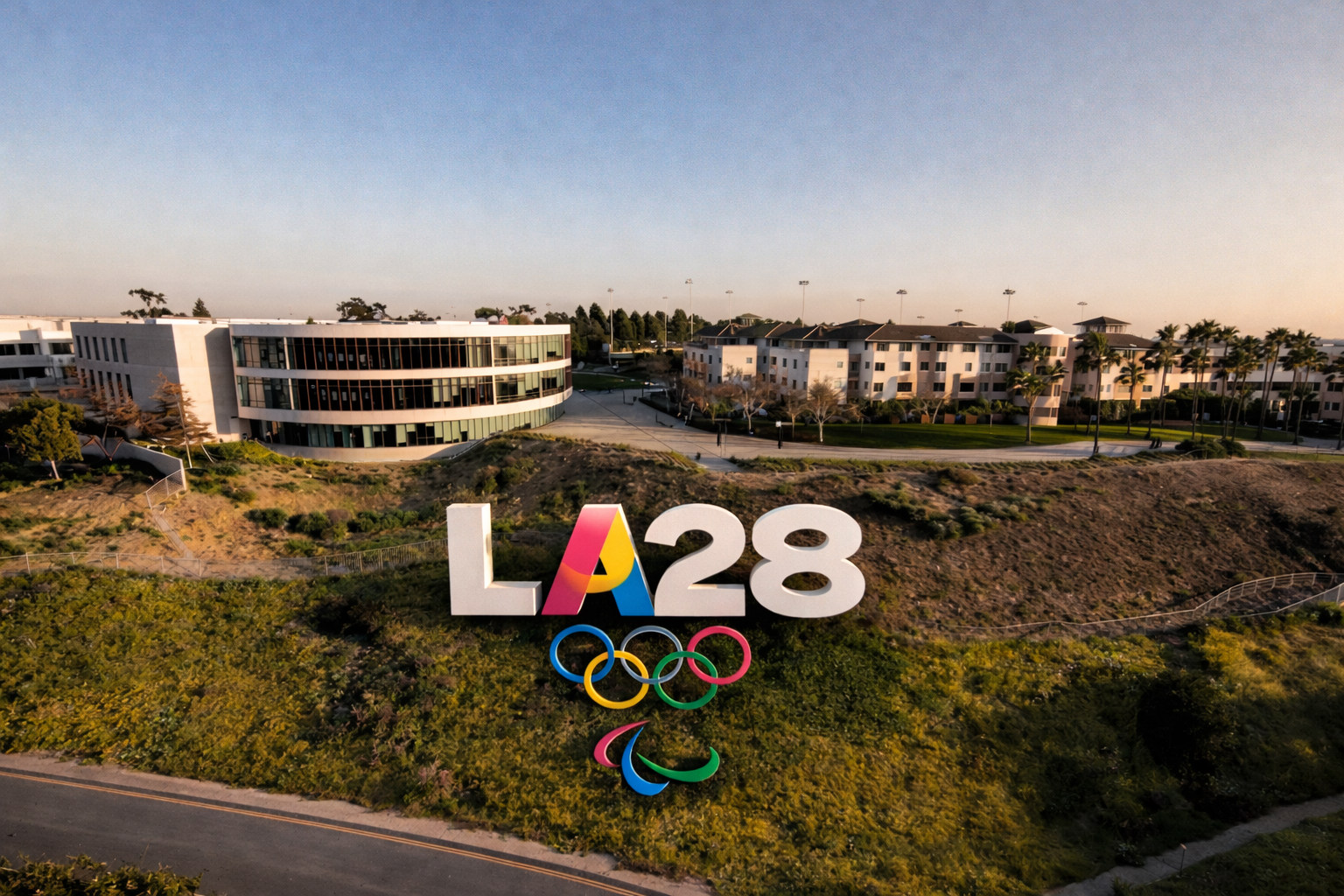
From Gersten Pavilion in 1984 to Team USA training on the Bluff in 2028, the story is remarkably consistent.
LMU doesn’t chase the spotlight; we make Olympic triumphs a reality.
And when the world shows up, LMU sticks the landing.
—John
P.S. For a walk down memory lane, enjoy the LA Times 1984 Summer Olympics Photo Gallery.
Discover more from LMU COO Momentum Blog
Subscribe to get the latest posts sent to your email.